
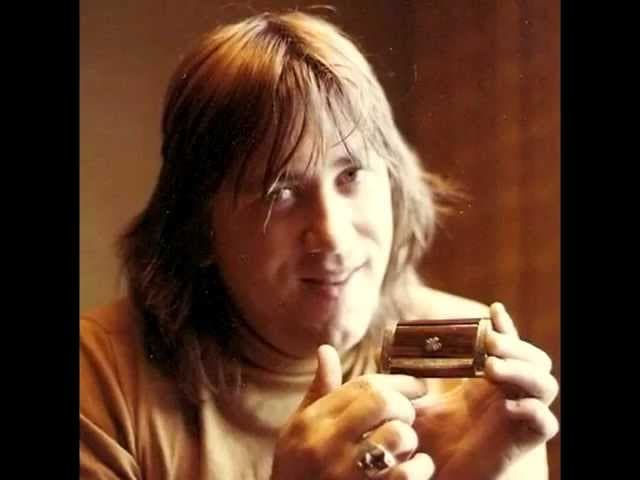
A Fire That Burned Too Briefly: Terry Kath and Chicago at Their Creative Peak
There are performances that entertain, and then there are performances that quietly become artifacts of something far more fragile. What we witness in Uptown is not simply a band playing at full strength, but a moment suspended just before history takes an irreversible turn. At the center stands Terry Kath, a musician whose brilliance would only be fully understood after it was gone.
In the early 1970s, Chicago operated at a level few American bands could match. They were not confined by genre expectations. Jazz, rock, soul, and improvisation coexisted in a fluid, almost fearless musical language. Uptown captures that ethos perfectly. It is structured enough to hold together, yet open enough to let each player stretch beyond convention.
Behind this performance lies a reality that gives it weight today. This was Chicago in its most adventurous phase, before commercial pressures gradually reshaped their sound, and more importantly, before the tragic loss of Terry Kath in 1978. His death at just 31 was sudden and accidental, and it marked a definitive end to the band’s most exploratory era. Listening now, it is impossible to separate the music from that knowledge.
Kath’s playing here feels instinctive rather than calculated. His guitar does not dominate in the traditional sense, but it anchors everything. There is a rawness in his tone, a sense that each phrase is being discovered in real time. That spontaneity reflects a band dynamic that leaned heavily on trust. Chicago at this stage was less a rock group and more a jazz ensemble in spirit, where ideas were exchanged rather than dictated.
What makes this performance especially compelling is the absence of hindsight within the moment itself. There is no sense of finality on stage. No one is playing as if this is something that will one day be revisited and analyzed. And yet, for modern audiences, that is exactly what it has become. A document of a creative peak that would not last.
In later years, Chicago would achieve massive commercial success with a more polished and accessible sound. But for many listeners, it is performances like Uptown that define their artistic identity. They reveal a band unfiltered, driven by curiosity rather than expectation, and led in no small part by a guitarist whose influence continues to grow long after his passing.
To watch Terry Kath here is to witness not just technical skill, but possibility. And perhaps that is what lingers most. Not only what he was, but what he might have become.