
Beyond the Glam Stomp, a Ballad of Fading Love and Inevitable Separation Finds Quiet Heartbreak in the Noise.
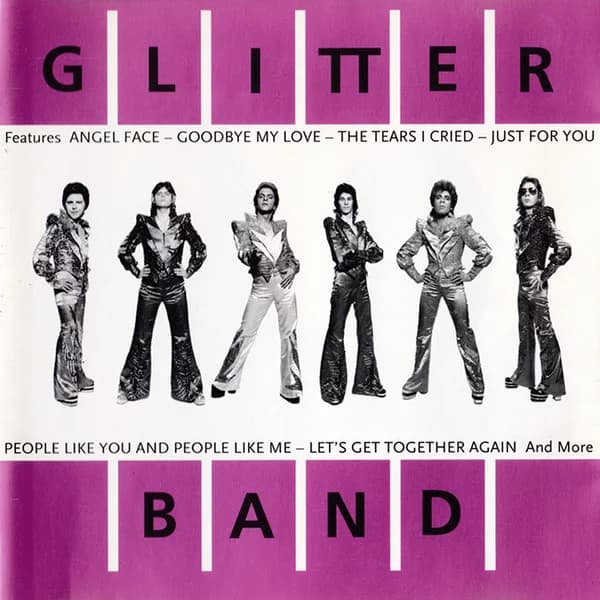
The 1970s. A time when British pop music was a shimmering circus of high-heeled boots, glitter-dusted faces, and a beat so primal it seemed to thump directly from the earth. The Glitter Band were the architects of that sound’s most defining characteristic: the seismic “Glitter beat,” a thunderous, double-drummer rhythmic wall that made every single a guaranteed dance floor shaker. Yet, woven within the band’s second album, 1975’s Rock ‘N’ Roll Dudes, lies an unexpected, poignant counterpoint to the spectacle—the hauntingly tender ballad, “For Always and Ever.” This track strips away the flash to reveal the heart of true 70s rock ‘n’ roll melancholy, an often-overlooked moment of vulnerability amidst the stomp.
Key Information: “For Always and Ever” was the opening track on the album Rock ‘N’ Roll Dudes, which was released in 1975 on the Bell record label. While the song itself was not released as a charting single, it anchored an album that successfully capitalized on the band’s Glam Rock momentum, reaching No. 17 on the UK Albums Chart. The song was written by two core members of the band, bassist and vocalist John Springate and saxophonist John Rossall, and was produced by the band’s sonic mastermind, Mike Leander. The track is a perfect showcase for John Springate’s distinctive, slightly mournful lead vocal, often overshadowed by the band’s raucous hits like “Angel Face” and “Goodbye My Love.”
The story behind The Glitter Band is a complex, dramatic tale of shadow and light, forever tied to their controversial origins as the backing group for Gary Glitter. By 1975, they were fiercely carving out their own identity, proving their musical mettle by penning original, sophisticated songs far beyond the basic rock structure of their former employer. “For Always and Ever” became a musical declaration of independence, demonstrating a breadth of skill that critics often dismissed in the pure-pop Glam Rock genre. It was a conscious pivot from the party anthem to the plaintive confession.
The meaning of the song is a direct and heartfelt meditation on a love that has withered against the relentless march of time. The title itself is a wistful, almost desperate invocation of a promise made and broken. It’s the sound of a late-night reckoning, when the glitter washes off and the reality of a fading relationship sets in. The lyrics speak of a love that was supposed to last “for always and ever,” but has dissolved into something hollow. Springate’s vocal delivery is drenched in an aching sincerity that resonated with older listeners, those who had seen their own youthful illusions of eternal love give way to the quieter, more complicated truth of adult relationships.
For those of us who came of age during that decade, this song is a powerful burst of nostalgia, a reminder that even the wildest, most flamboyant figures of the Glam era were just people grappling with heartbreak. The signature Glitter Band brass section, usually blaring a confident fanfare, here enters with a restrained, almost funereal dignity, serving as a solemn counterpoint to the tearful piano and Springate’s vulnerability. It’s a moment of pure, unadorned emotion—a musical admission that sometimes, even with the best intentions, “for always and ever” turns out to be only for a time. It’s a song for reflecting on the high-octane highs of the past, only to realize that the most impactful moments were often the ones sung with the quietest honesty.