
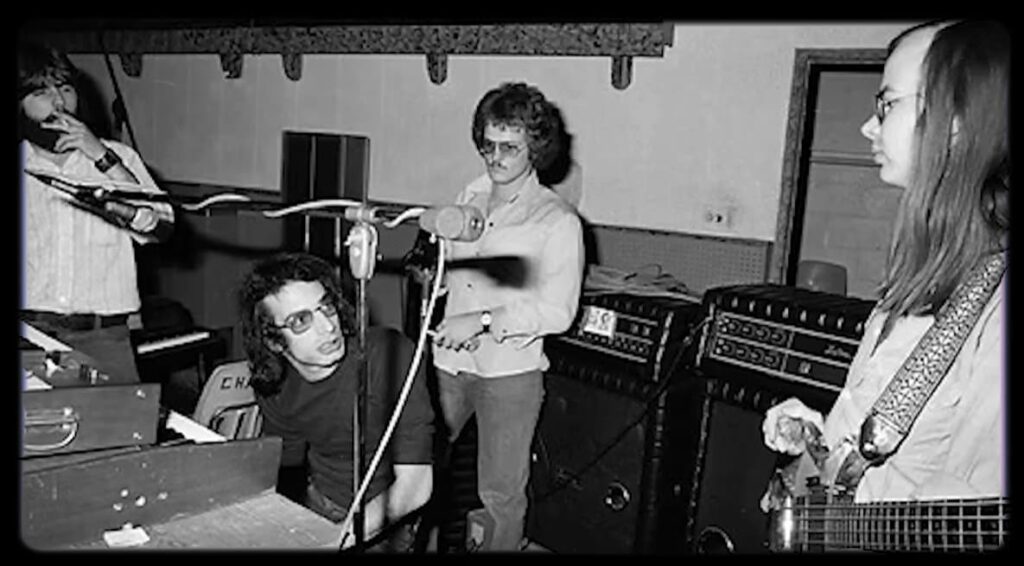
Steely Dan From Academic Outsiders to Studio Perfection and Eventual Collapse
The story of Steely Dan is one of the most unusual and intellectually driven journeys in American rock history. Formed by Walter Becker and Donald Fagen, the group emerged not from a traditional rock scene but from Bard College in New York in the late nineteen sixties. Both men shared a deep interest in jazz, literature, and dark humor, along with a strong skepticism toward the emotional excess and idealism that defined much of contemporary rock music.
After relocating to California, Becker and Fagen worked as staff songwriters, learning the mechanics of commercial pop while quietly refining a more complex musical vision. This balance between accessibility and sophistication became the foundation of Steely Dan. Their debut album Can’t Buy a Thrill, released in nineteen seventy two, was both a critical and commercial success, producing major hits and reaching the upper tier of the Billboard chart. Yet even on this first record, tensions were visible, as the group struggled with the traditional band format and multiple vocalists.
As their music grew more complex on albums like Countdown to Ecstasy, Becker and Fagen became increasingly dissatisfied with touring. Sound limitations, hostile audiences, and the lack of control over performance quality conflicted with their perfectionist instincts. In nineteen seventy four, at the height of their momentum, they made the radical decision to stop touring entirely and focus exclusively on studio work.
This shift transformed Steely Dan into a studio based project built around elite session musicians. Becker and Fagen pursued absolute precision, hiring the best players available and rejecting performances that did not meet their exact standards. This approach reached its peak with the album Aja in nineteen seventy seven, a critical and commercial triumph that showcased their ability to combine jazz level sophistication with pop appeal.
However, the same system that produced their most celebrated work also led to collapse. The recording of Gaucho became a prolonged and exhausting process involving forty two musicians, escalating costs, legal disputes, and personal tragedy. Walter Becker suffered the loss of his partner, a serious lawsuit, and a debilitating accident during this period. The pressure proved unsustainable, and after Gaucho’s release in nineteen eighty, Becker and Fagen quietly dissolved their partnership.
In later years, both men pursued separate paths before eventually reuniting for touring and new material. Their return was validated when Two Against Nature won Album of the Year at the Grammy Awards in two thousand. With more than forty million records sold, Steely Dan left behind a body of work defined by intelligence, discipline, and uncompromising craft. Their rise and fall stands as a cautionary but enduring example of how perfection can both elevate and endanger artistic ambition.