
“Mama Told Me (Not to Come)”: A Cautionary Tale of Ill-Advised Adventures and Lingering Regret.
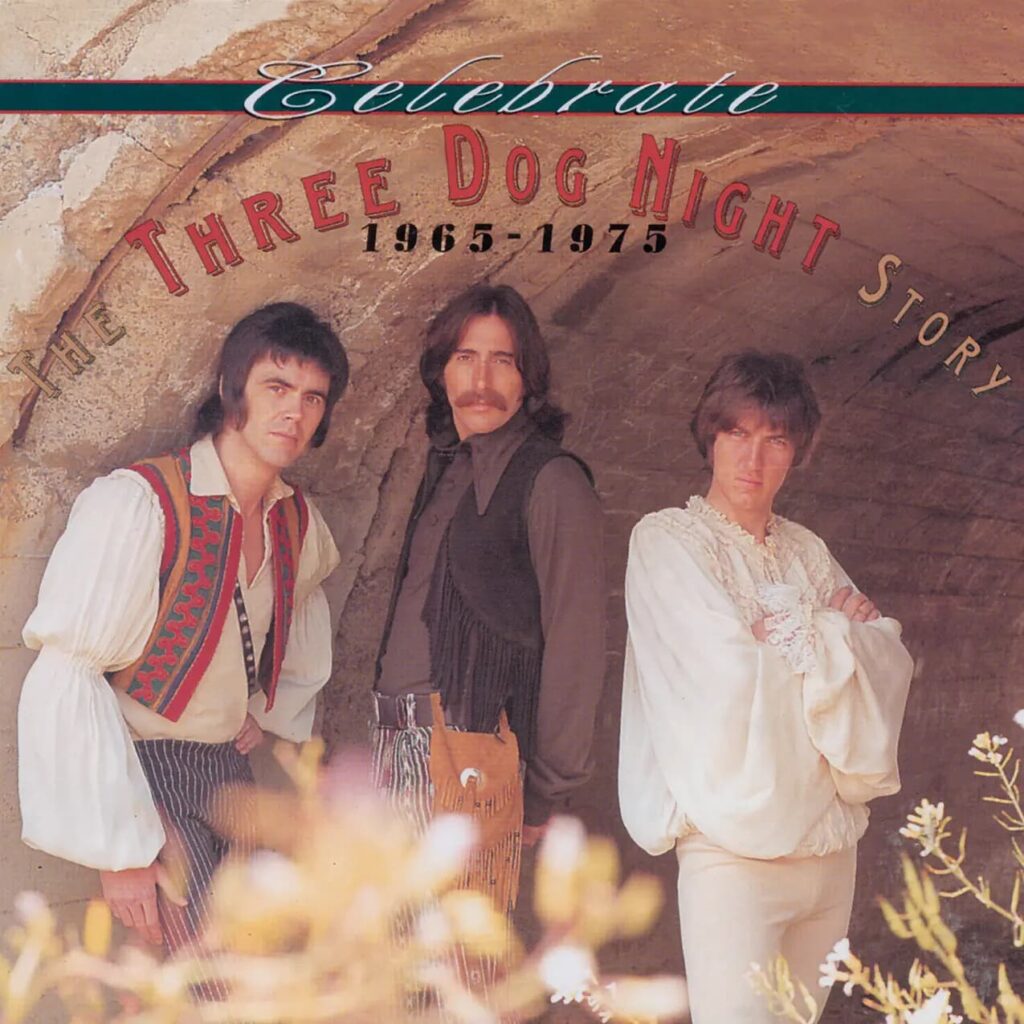
For those of us who experienced the vibrant, eclectic tapestry of late 1960s and early 1970s rock music, Three Dog Night stands as an indelible presence, a band celebrated for their powerful harmonies and their uncanny ability to turn diverse songwriters’ material into massive hits. Among their most memorable and enduring tracks is the gritty, darkly humorous, and ultimately cautionary tale, “Mama Told Me (Not to Come).” Released in 1970 as a single from their fourth studio album, It Ain’t Easy, this song wasn’t just a catchy tune; it was a vivid narrative, a musical short story about a night spiraling out of control, filled with characters both bizarre and unsettling. For older readers, it conjures an era of experimentation, sometimes misguided choices, and the universal experience of ignoring good advice to one’s peril.
Upon its release, “Mama Told Me (Not to Come)” became an undeniable juggernaut for Three Dog Night, soaring to the pinnacle of the American charts. It hit number 1 on the Billboard Hot 100 chart in July 1970, marking a significant milestone in the band’s career and cementing their status as one of the era’s most successful vocal groups. Its infectious, swampy groove and the distinctive vocal interplay between Chuck Negron, Danny Hutton, and Cory Wells made it an immediate radio staple, a track that would be impossible to avoid on the airwaves of 1970. Its widespread success demonstrated the song’s immediate appeal, even with its somewhat offbeat and unsettling lyrical content, proving that a compelling narrative, delivered with gusto, could truly capture the public’s imagination.
The fascinating story behind “Mama Told Me (Not to Come)” begins not with Three Dog Night, but with the iconic, eccentric singer-songwriter Randy Newman. Newman originally wrote the song and included it on his 1966 debut album, Randy Newman. His version was a much more subdued, almost sardonic take, delivered in his signature deadpan vocal style, hinting at the absurdity and discomfort of the situation rather than outright expressing it. However, it was Three Dog Night’s dynamic interpretation that truly brought the song to life for a mass audience. The band, known for their prowess in choosing material from outside writers and transforming it into their own, recognized the latent hit potential in Newman’s composition.
Their arrangement elevated the song from Newman’s quirky introspection to a full-blown rock and roll spectacle. They imbued it with a driving rhythm section, a prominent organ riff, and, most crucially, their signature multi-part harmonies, which gave the narrative a sense of urgency and shared experience. The lead vocal by Cory Wells is particularly noteworthy, delivering the tale with a perfect blend of exasperation, disillusionment, and a touch of the sardonic humor inherent in Newman’s original vision. The meaning of “Mama Told Me (Not to Come)” is a vivid depiction of a protagonist’s escalating discomfort and regret at attending a party or gathering that quickly descends into chaos and weirdness. The “mama” in the title represents the voice of reason, the instinctual warning ignored. From “a guy with a broken nose” to “the girl who was with the guy in the band” acting strangely, the lyrics paint a picture of a night gone wrong, filled with awkward encounters and an undeniable desire to escape. It’s a relatable scenario for many: being stuck in an uncomfortable social situation, wishing you had listened to your gut, or perhaps, your “mama.”
For older readers, this song is a powerful evocative piece, perhaps stirring memories of their own youthful misadventures, the wild parties of the era, or simply those moments in life when one ignored sound advice and learned a hard lesson. It’s a testament to the timeless nature of the song’s theme: the universal human experience of venturing into uncharted social waters, sometimes against better judgment, and the subsequent relief of getting back to safety. “Mama Told Me (Not to Come)” remains a classic not just for its infectious sound, but for its sharp, observational lyrics and Three Dog Night’s masterful ability to transform a quirky songwriter’s vision into a resonant, chart-topping anthem of relatable regret.