
A Blazing Anthem for a City in Chaos, a Timeless Reflection of Urban Anarchy and The Human Spirit.
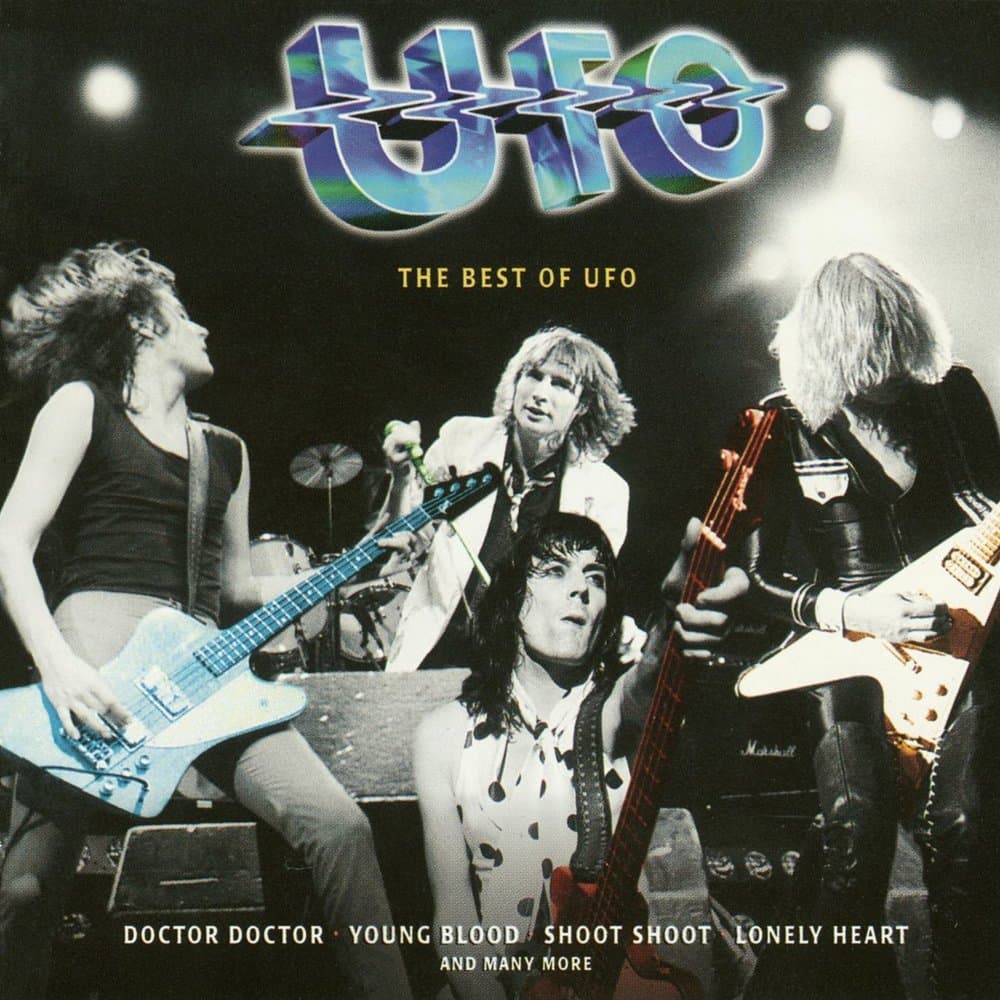
Before the raw, unbridled fury of punk rock fully gripped the UK, and while hard rock was still finding its footing, one band stood at the crossroads of both worlds, channeling the chaos of the streets into a powerful musical statement. UFO’s “Lights Out”, the title track from their landmark 1977 album, is an explosive, high-octane anthem that perfectly captured the anxious energy of late-70s London. Released in May 1977, the album Lights Out became the band’s most commercially successful record in the United States, peaking at a career-high number 23 on the Billboard 200. While it had a more modest showing in their home country, reaching number 54 on the UK Albums Chart, its cultural and artistic impact was undeniable, cementing UFO‘s reputation as one of the most vital bands of the era. The album’s success was driven not just by its powerful sound but by the brilliant, and often volatile, chemistry between vocalist Phil Mogg and guitar virtuoso Michael Schenker, a creative tension that gave the music its undeniable edge.
The story behind “Lights Out” is a visceral one, rooted in a specific time and place. The lyrics, penned by frontman Phil Mogg, were a direct response to the infamous Notting Hill Carnival riots that occurred in London in August of 1976. This event, which saw clashes between police and West Indian youths, was a manifestation of deep-seated racial tensions and social unrest. Mogg, observing the palpable anger and sense of rebellion, translated that atmosphere into a gritty, almost cinematic song. The song’s opening lines, “They’re marching down the street, got their batons, feet on the beat,” paint a vivid picture of a city on edge, a place where the air crackled with hostility. The phrase “lights out in London” is a chillingly effective metaphor, suggesting not just the turning off of physical lights but the snuffing out of hope and order, a descent into anarchy and a darkness of the soul.
The meaning of the song extends beyond a simple reportage of a riot. It’s a powerful commentary on authority, on rebellion, and on the desperation that can drive people to the brink. While the song is often interpreted as a political or anti-authoritarian statement, it also carries a more personal, universal resonance. The frantic, almost panicked pace of the music—driven by drummer Andy Parker’s relentless beat and Pete Way’s thunderous bassline—mirrors the sense of being caught in the crossfire of a world gone mad. Michael Schenker’s iconic guitar riff and blistering solo are not just virtuosic displays; they are the sound of a city on fire, a screeching, chaotic burst of energy that perfectly encapsulates the song’s theme.
For those who lived through the tumultuous 1970s, “Lights Out” is more than just a song; it’s a time machine. It takes us back to an era of gas shortages, social strife, and a powerful, counter-cultural yearning for something real. The song’s raw, unpolished energy feels authentic in a way that later, more commercial hard rock often didn’t. It’s a testament to the fact that great music isn’t just about catchy melodies; it’s about capturing a moment in time and making it feel timeless. The song reminds us of a world that was messy and imperfect but also crackling with a rebellious spirit that demanded to be heard. When we hear that opening riff, we don’t just hear a song; we feel the ghosts of that era—the denim and leather, the youthful defiance, and the sense of a world on the cusp of something new and unknown. “Lights Out” is a monument to that spirit, a brilliantly crafted piece of hard rock that remains as urgent and relevant today as it was nearly five decades ago.