
Inside the Mind of Warren Zevon: A Rare 2002 Conversation on Songwriting, Mortality, and Musical Roots
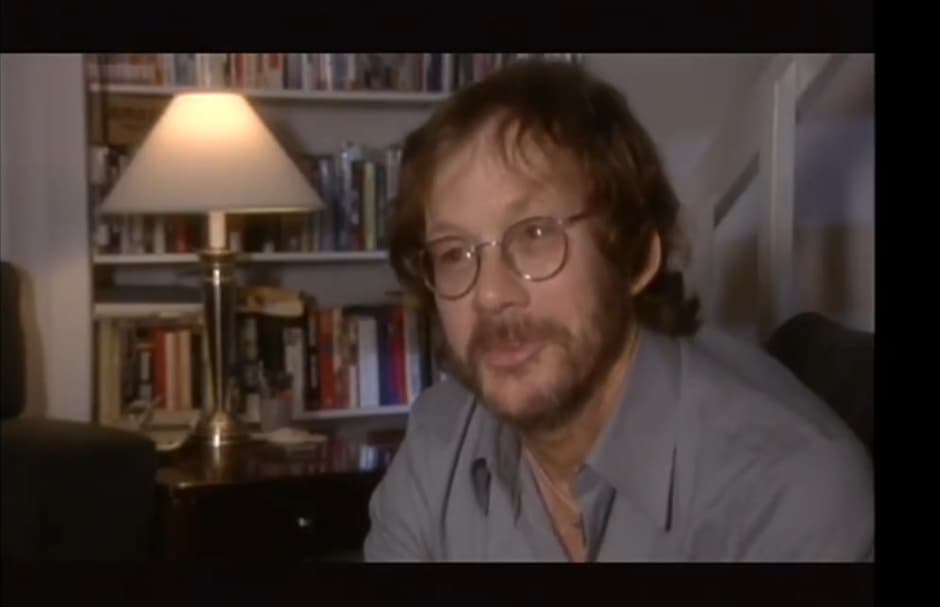
In 2002, American singer songwriter Warren Zevon sat down with filmmaker Nick Read for an extended interview that would later appear in the 2003 VH1 documentary Inside Out: Warren Zevon. The conversation offers a revealing portrait of Zevon’s creative philosophy, musical upbringing, and literary influences. Though only the first portion of the interview survives on video, the full audio provides an unusually candid reflection from one of rock music’s most distinctive storytellers.
Throughout the discussion, Zevon explains that songwriting for him usually begins with language rather than melody. He notes that many of his songs originate from unusual phrases or fragments of ideas that gradually evolve into complete lyrics. He describes the creative process as mysterious and difficult to define, distinguishing between inspiration and craft. Inspiration, in his view, is unpredictable and often strange, while craft represents the technical discipline musicians spend years learning in order to shape those ideas into finished songs.
Zevon also reflects on his identity as both a musician and a lyricist. While he acknowledges his musical training, he suggests that his greatest contribution may lie in writing lyrics. This emphasis on storytelling became one of the defining characteristics of his career. His songs often explore darker themes including mortality, violence, and the fragile nature of human life. Zevon explains that his fascination with these subjects developed partly from the literature he read while growing up in the 1960s, particularly writers such as Norman Mailer, John Updike, and John Cheever. Their work, he recalls, seemed more daring and unsettling than much of the popular music being produced at the time.
Family background also shaped Zevon’s artistic outlook. During the interview he briefly mentions that his father had connections to the Los Angeles underworld during the 1950s, an experience that critics often cite as influencing the darker tone present in many of his songs. Zevon, however, appears reluctant to dwell on the subject, preferring instead to discuss the broader cultural influences that informed his writing.
Musically, Zevon’s earliest passion was not rock music but classical composition. As a young musician he studied piano and admired composers such as Igor Stravinsky and Ludwig van Beethoven. Only later did he become interested in rock and roll, eventually finding inspiration in the harmonies of The Everly Brothers, a group he would later work with professionally. Before establishing himself as a solo artist, Zevon spent years as a sideman and struggling musician in Los Angeles recording sessions.
The interview also touches on the long and uncertain path that led to his recording career. One of his early breaks came when songs he had written were recorded by The Turtles, appearing on the single associated with their 1967 hit Happy Together. The modest royalties from those recordings helped support him during the difficult early years of his career.
Perhaps the most poignant part of the conversation occurs when Zevon discusses new material he was writing at the time. He describes working closely with longtime collaborator Jorge Calderón, noting that the songs seemed to be arriving faster than usual. The project he was describing would eventually become his final studio album The Wind, released in 2003 after Zevon publicly revealed that he had been diagnosed with terminal cancer.
Looking back today, the 2002 interview carries an added emotional weight. Zevon speaks calmly about creativity, friendship, and the desire to communicate honestly through music. His reflections reveal a songwriter deeply aware of life’s fragility yet determined to keep writing for as long as inspiration allowed.