
A Majestic and Profound Call to Peace, a Final, Weary Plea to End the Endless Cycle of War.
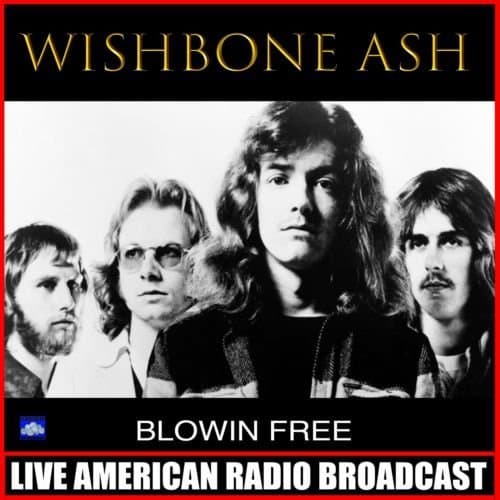
In 1972, as the musical landscape was undergoing a transformation, a band from Great Britain named Wishbone Ash released a masterpiece that would forever cement their place in rock history. Their album Argus was a grand, cinematic creation, a record so powerful it was named “Album of the Year” by Sounds magazine and soared to number three on the UK Albums Chart. While filled with tales of warriors and dragons, its true power lay in its emotional depth and its profound commentary on the human condition. The final track, a song that served as the album’s dramatic and heartbreaking conclusion, was “Throw Down the Sword.” It was never released as a single and did not chart, a fact that only deepens its allure as a cherished, intimate masterpiece. Its power lies not in fleeting popularity, but in its dramatic, emotional resolution—a poignant and solemn plea for peace after a long, weary conflict.
The story of “Throw Down the Sword” is the final act in the album’s sprawling, mythical narrative. It serves as a direct, powerful counterpoint to the earlier track “Warrior,” which explored a soldier’s internal conflict. Here, the protagonist, a man exhausted by battle and burdened by the weight of a war he no longer believes in, is at his moment of reckoning. The drama is a spiritual one, with a powerful, ethereal voice from on high speaking directly to his soul. The lyrics, penned by bassist Martin Turner, are a direct plea for him to abandon his life of violence: “Throw down the sword, the deed is done / You’ve seen the light of the morning sun.” It’s a moment of profound spiritual and moral clarity, a dramatic climax that offers a path to peace in a world defined by war.
The music itself is a character in this epic drama, perfectly amplifying the song’s narrative arc. It begins with a powerful, commanding riff, as if setting the stage for one last, desperate battle. But the true emotional weight of the song is carried by the vocals and the legendary twin-guitar harmonies. The vocals, full of a weary conviction and a quiet sense of hope, feel like a man who has finally found his path. The guitars of Andy Powell and Ted Turner are at their absolute peak, their intertwined melodies sounding not like a battle, but a powerful, spiritual force, a call to a higher plane of existence. The solos are not just instrumental breaks; they are a direct, emotional expression of the struggle between war and peace. The song builds to a monumental climax, a final, triumphant resolution that feels like a hard-won peace has been achieved.
For those of us who remember this era, “Throw Down the Sword” is more than a song; it’s a testament to the power of a complete artistic statement. It’s a nostalgic reminder of a time when albums were immersive, conceptual journeys, meant to be heard as a whole. The song’s enduring power lies in its timeless message. It speaks to the universal desire for peace and the profound weariness of conflict, and the hope that even in the darkest of times, there is a voice that can guide us home. It stands as a beautifully majestic and profoundly emotional piece of rock history, a quiet masterpiece that continues to resonate with its cinematic drama.