
When Rock Meets Politics: Jackson Browne Recalls the Lawsuit That Turned “Running on Empty” Into a National Debate
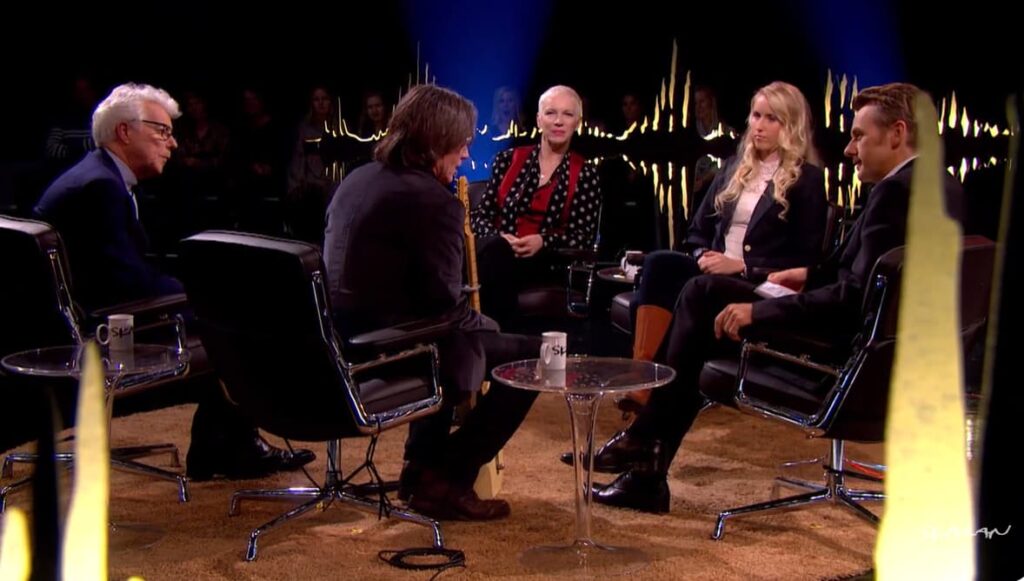
During a memorable television appearance on the Scandinavian talk show Skavlan, legendary American singer songwriter Jackson Browne shared an unusual story from his career. With a mixture of humor and disbelief, he told the audience about the moment he found himself suing U.S. presidential candidate John McCain over the unauthorized use of one of his most famous songs.
The anecdote refers to a real political and legal dispute that unfolded during the heated 2008 United States presidential campaign. Browne’s classic song Running on Empty, originally released in 1977, appeared in an online campaign advertisement criticizing Democratic candidate Barack Obama. The advertisement was linked to Republican campaign efforts supporting McCain, and the use of the song quickly sparked controversy.
Browne objected immediately. The veteran musician argued that the song had been used without his permission and that the advertisement created the misleading impression that he endorsed McCain’s campaign. In August 2008 he filed a lawsuit in the United States District Court in Los Angeles against McCain, the Republican National Committee, and the Ohio Republican Party. The legal complaint alleged copyright infringement as well as false endorsement under American trademark law.
At the center of the dispute was the brief use of Running on Empty in a political video that mocked Obama’s energy policy suggestions. Browne’s legal team argued that the song’s presence in the advertisement was not only unauthorized but also damaging to the artist’s public image, since Browne had long been associated with liberal political causes and Democratic candidates.
The advertisement was eventually removed after Browne protested, but the legal conflict continued. McCain’s campaign maintained that the candidate himself had no direct knowledge of the advertisement, which had been produced by the Ohio Republican Party rather than the central campaign organization.
The dispute was resolved in 2009 when the parties reached a settlement. The financial terms were never disclosed publicly. As part of the resolution, statements from the Republican organizations acknowledged that Browne’s song had been used without permission and affirmed the importance of respecting artists’ rights when using copyrighted music.
On the Skavlan stage, Browne recounts the episode with characteristic calm and dry humor. What could have been a tense political argument becomes instead a revealing glimpse into the intersection between music, copyright law, and modern political campaigning. His story illustrates how deeply songs can become embedded in cultural and political life, sometimes in ways their creators never intended.
For fans of Browne’s music, the moment also highlights the enduring power of Running on Empty. More than four decades after its release, the song remains instantly recognizable. Its appearance in a political advertisement triggered a national conversation about artistic ownership and the responsibilities of political campaigns when borrowing the language of popular music.
In the end, Browne’s brief recollection on Skavlan captures an unusual chapter in rock history. It is a reminder that even a classic road anthem can unexpectedly become part of a courtroom drama and a presidential election at the same time.