
He Won the Night but Lost Himself Inside the Song
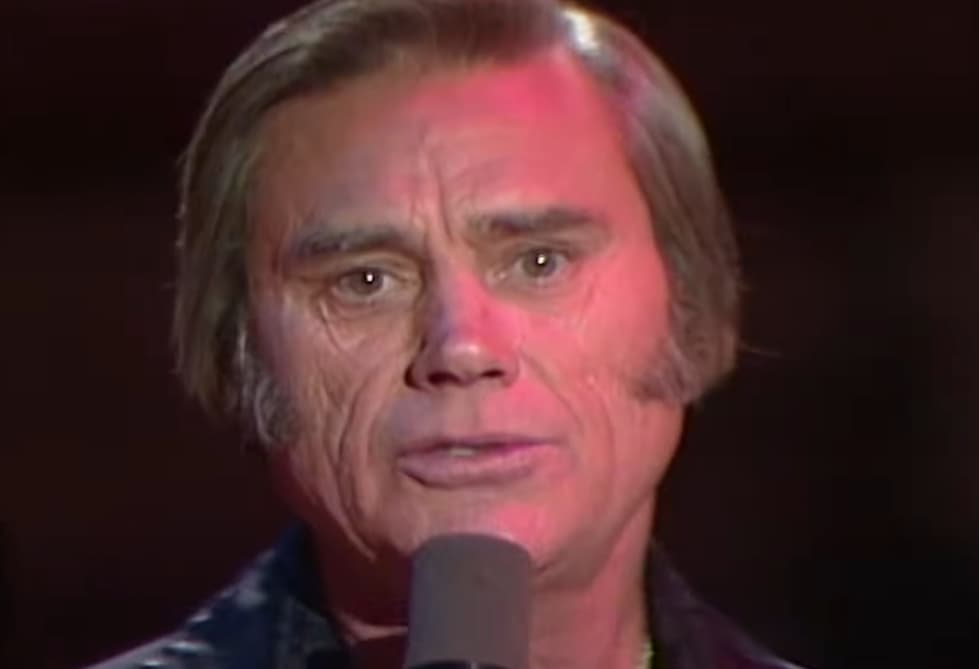
At the 1981 ACM Awards, George Jones stood at the height of his career, collecting major honors in a night that should have been defined by victory. Yet the most memorable moment did not come from the trophies he received. It came when he stepped into the spotlight to perform If Drinkin’ Don’t Kill Me (Her Memory Will), turning a celebration into something far more intimate and unsettling.
The performance was not built on spectacle. There were no elaborate visuals or dramatic staging. Instead, it relied entirely on presence and voice. Jones delivered the song with a rawness that blurred the line between performance and confession. His tone carried a weight that suggested fatigue, experience, and a truth that could not be rehearsed. For many viewers, it felt less like entertainment and more like witnessing a private struggle unfold in public.
What made the moment particularly compelling was the contrast surrounding it. Earlier that evening, Jones had been recognized for one of the most celebrated songs of his career, a track that symbolized enduring love. Yet here he was, performing a song rooted in loss, addiction, and emotional collapse. The juxtaposition created a narrative tension that few performances ever achieve. It was not simply a setlist choice. It was a reflection of a life caught between success and self destruction.
The song itself resonated deeply with audiences because it echoed Jones’s own well documented battles with alcohol and personal turmoil. Lines about late nights and overwhelming memories did not feel fictional. They felt lived. Reports from the time and later accounts suggest that even subtle changes in phrasing during live renditions could allude to real relationships from his past, further reinforcing the sense that the audience was hearing something deeply personal.
In retrospect, this performance has gained a lasting significance. It represents a moment when country music stripped away polish and exposed something more human. It reminds viewers that behind the accolades and the mythology of stardom, there are often stories of vulnerability that define an artist’s legacy just as much as their achievements.
For modern audiences, revisiting this clip offers more than nostalgia. It provides insight into an era when authenticity carried a different weight, and when a single performance could capture the complexity of a life in ways no award ever could.