
A Quiet Masterpiece Returns to the Spotlight
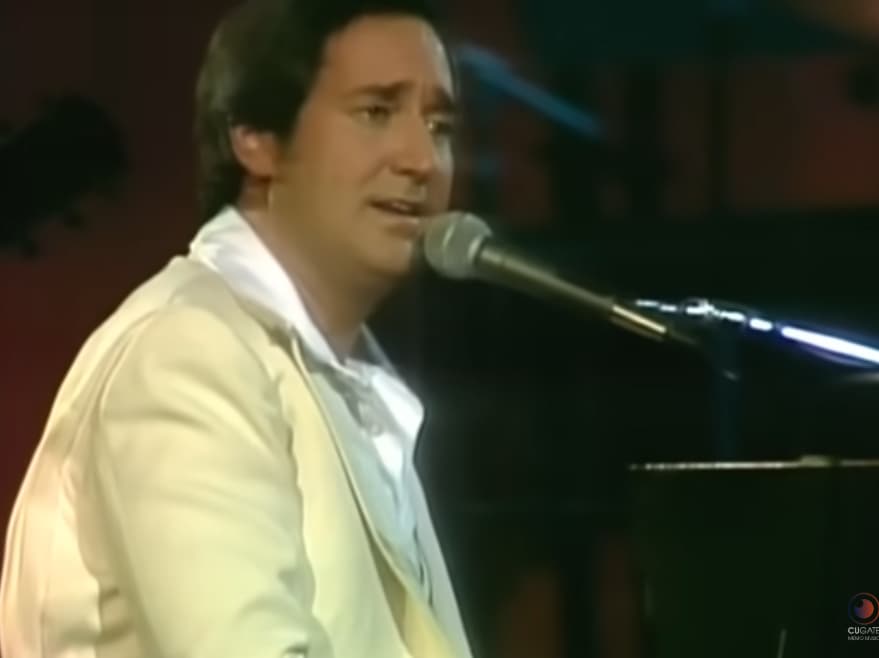
A live performance of Solitaire by Neil Sedaka is drawing renewed attention from listeners who value emotional depth over spectacle. Circulating widely online, the clip presents a version of the 1975 ballad that feels intimate, controlled, and deeply personal. In an era often defined by vocal excess, Sedaka’s restrained delivery stands out for its clarity and intent.
Originally released during a transitional period in his career, Solitaire marked a shift from the bright pop hits that first made Sedaka famous to a more reflective and mature sound. The song was written with lyricist Phil Cody and has since been recognized as one of the most emotionally nuanced compositions in Sedaka’s catalog. Its narrative centers on isolation, not as a dramatic event but as a quiet and persistent state of being.
In the performance now gaining traction, Sedaka does not rely on theatrical gestures. Instead, he maintains a steady vocal line that occasionally leans slightly above pitch, a stylistic choice that might seem unusual but ultimately reinforces the fragile emotional tone of the song. For trained listeners, this detail reflects a deliberate artistic decision rather than a flaw. It is a subtle reminder of Sedaka’s technical awareness and interpretive control.
Comparisons with later interpretations by artists such as Elvis Presley and Karen Carpenter continue to surface in audience discussions. While those versions are often described as dramatic and vocally expansive, Sedaka’s own rendition is frequently viewed as the most authentic. As the composer, he approaches the material with a sense of ownership that shapes both phrasing and emotional pacing.
Audience reactions to the clip reflect a mixture of admiration and reflection. Some listeners highlight the timeless quality of the melody, while others connect personally with the theme of solitude. The performance has also reignited conversation about Sedaka’s place in music history, with some fans questioning his absence from major institutional recognitions despite a career that spans decades and includes numerous chart successes.
More than fifty years after its release, Solitaire continues to resonate because it avoids excess. It does not attempt to overwhelm the listener. Instead, it invites quiet attention. In doing so, Neil Sedaka demonstrates that lasting impact in music often comes not from volume or scale, but from precision, honesty, and emotional truth.