
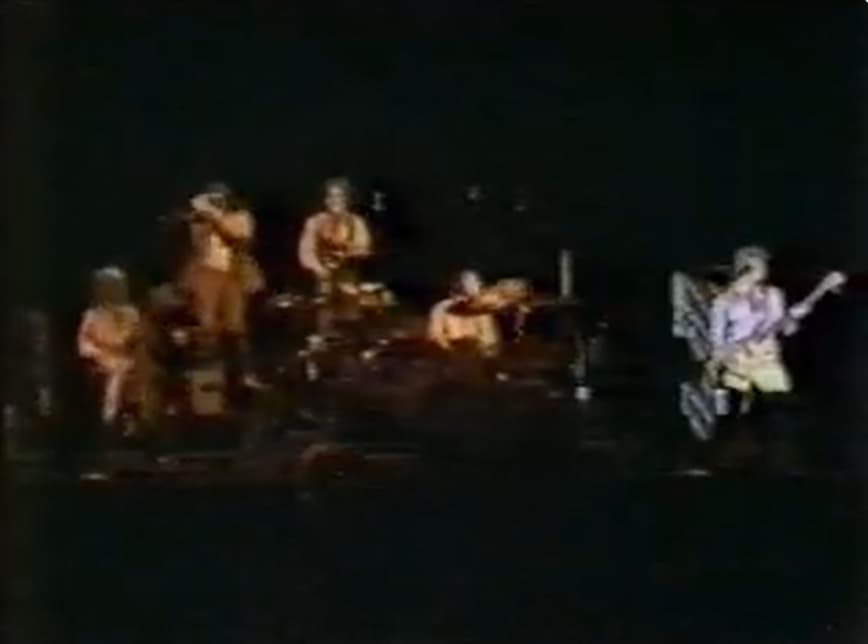
The Raw Energy of Rock: Peter Cetera Shatters the Balladeer Myth with Little Miss Lovin’
The history of the band Chicago is often divided into distinct eras, but the transition into the late seventies stands as one of the most critical periods in their musical journey. Featured on the 1978 album Hot Streets, the track Little Miss Lovin’ represents a powerful and energetic departure from the band’s growing reputation for melodic ballads. This particular recording and performance serve as a definitive testament to the versatility of Peter Cetera, showcasing him not only as a world class vocalist but as a driving force in the world of high energy rock and roll.
Hot Streets holds a significant place in the band’s discography as it was the first release to feature a photo of the band members on the cover and the first recorded without the presence of the legendary Terry Kath. Despite the challenges of this transitional phase, many critics and fans consider Hot Streets to be one of the finest efforts of the post Kath era, alongside the commercially massive Chicago 17. The album highlights a band that was hungry to prove its resilience and creative depth, blending their jazz rock foundations with the crisp production styles of the late seventies.
Central to the power of Little Miss Lovin’ is the performance of Peter Cetera, who both wrote and sang lead on the track. For those who erroneously assume that Cetera was solely focused on ballads, this clip serves as a complete shattering of that image. His vocal delivery is raw and aggressive, perfectly matched by his exceptional bass playing. Observers have long praised Cetera’s unique ability to perform with a physical charisma that few could match, all while maintaining a complex and driving bass line that provides the song’s heartbeat. His technical skill on the bass proves that he remained one of the most talented instrumentalists in the industry, capable of holding his own in any high intensity rock setting.
Adding to the historical allure of the song is the collaborative spirit of the era. It is widely noted among music enthusiasts that the Bee Gees contributed backing vocals to the original studio recording of this track, creating a sensational cross pollination of talent between two of the decade’s biggest acts. This rare blend of Chicago’s brass heavy energy and the vocal sophistication of the Bee Gees makes the track a unique treasure for fans of both groups.
Ultimately, the performance of Little Miss Lovin’ is a celebration of honest, unvarnished talent. It preserves a moment where Chicago proved they were still a formidable rock unit capable of producing hard hitting, sophisticated music. By revisiting this era, we honor the legacy of Peter Cetera and the band’s enduring commitment to musical excellence. It remains an essential piece of rock history that continues to inspire and surprise listeners who seek the true soul of Chicago.