
Why Townes Van Zandt Was More Than Just a Legendary Songwriter
For decades, Townes Van Zandt has been celebrated as one of the greatest songwriters in American music history. His lyrics influenced generations of folk, country, and Americana artists, with songs such as “Pancho and Lefty” and “If I Needed You” becoming enduring classics. Yet among longtime fans and musicians, there is a growing belief that one part of his artistry still remains deeply underrated: his voice.
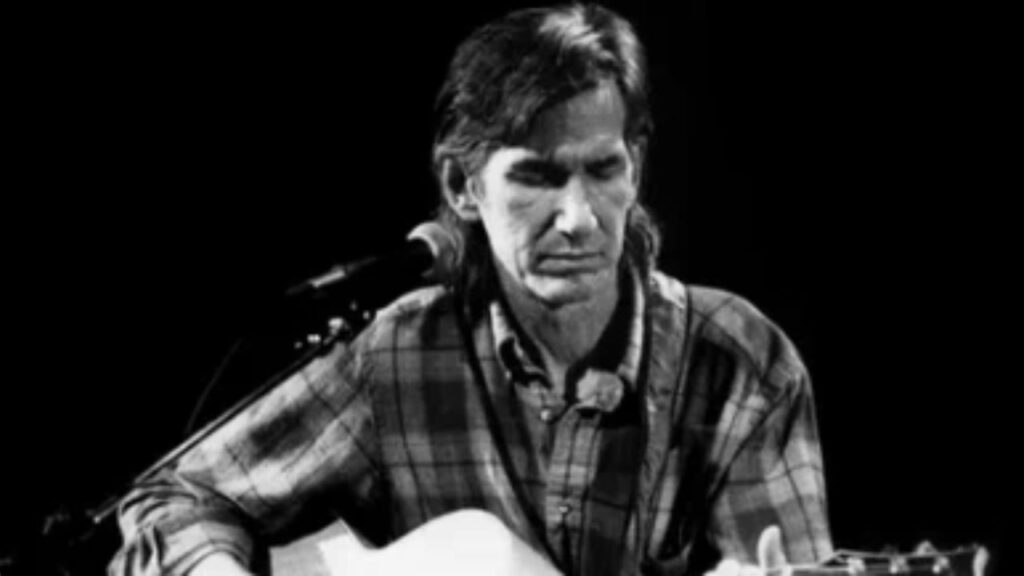
In recently shared live performance clips circulating among music communities online, listeners continue rediscovering the emotional depth of Van Zandt’s singing. While critics and historians often focus on the brilliance of his songwriting, many fans argue that his unique vocal style was equally important to the emotional power of his music.
Unlike technically polished singers known for vocal range or dramatic performances, Van Zandt possessed something far more intimate. His voice carried a soft, haunting tone that immediately separated him from nearly every artist of his era. Quiet and restrained, his singing often sounded fragile, yet deeply sincere. That emotional honesty became one of the defining characteristics of his work.
Fans frequently describe listening to Van Zandt as an intensely personal experience. Rather than performing with theatrical intensity, he often sounded like someone speaking directly from the heart. His delivery gave even simple lines a sense of loneliness, reflection, and emotional vulnerability that resonated deeply with audiences.
Music historians have long noted that Van Zandt’s influence extended far beyond commercial success. Although he never became a mainstream superstar during his lifetime, his songwriting earned enormous respect among fellow musicians. Artists across multiple genres have cited him as a major inspiration, praising both his lyrical brilliance and his ability to communicate profound emotion through minimalism.
The renewed attention surrounding archival footage and live recordings has introduced many younger listeners to another dimension of his artistry. In these performances, viewers can see how closely his voice and songwriting worked together. The emotional weight of his lyrics often depended not on dramatic production, but on the quiet humanity in his delivery.
For many admirers, this is precisely what made Townes Van Zandt extraordinary. His music did not rely on spectacle or commercial polish. Instead, it came from sincerity, sensitivity, and an uncommon emotional openness. Every performance carried the feeling that the songs were lived experiences rather than carefully crafted entertainment.
Today, decades after his passing, Townes Van Zandt continues to occupy a unique place in American music history. While his reputation as a master songwriter remains secure, many listeners now believe his haunting voice deserves equal recognition. Together, his words and delivery created a body of work that still feels timeless, intimate, and profoundly human.