
How “I Can See For Miles” Became One Of Rock Music’s Most Explosive Masterpieces
Released in 1967, “I Can See For Miles” remains one of the most powerful recordings ever created by the legendary British rock band The Who. More than half a century later, the song still feels enormous, aggressive, and strangely modern, which is exactly why many longtime fans continue to call it one of the greatest rock songs ever recorded.
The track was featured on the album The Who Sell Out and became the band’s only Top Ten hit on the American charts. While Pete Townshend later expressed disappointment that the song did not become an even bigger commercial success, history has treated it very differently. Today, critics and music fans regularly describe it as one of the defining rock singles of the 1960s.
What immediately separates “I Can See For Miles” from many songs of its era is its overwhelming sound. The production feels huge, layered, and intense, especially for a recording made in the late 1960s. The guitars crash with raw force while the vocals carry both confidence and menace. Yet the true center of attention has always been the astonishing drumming of Keith Moon.
Moon’s performance on the song has become almost mythical among rock fans. Rather than simply keeping rhythm, he attacks the drums with chaotic energy and relentless creativity. Every fill feels explosive and unpredictable, helping drive the song into territory that many musicians at the time had never attempted. Decades later, countless drummers still study this recording as an example of fearless rock percussion.
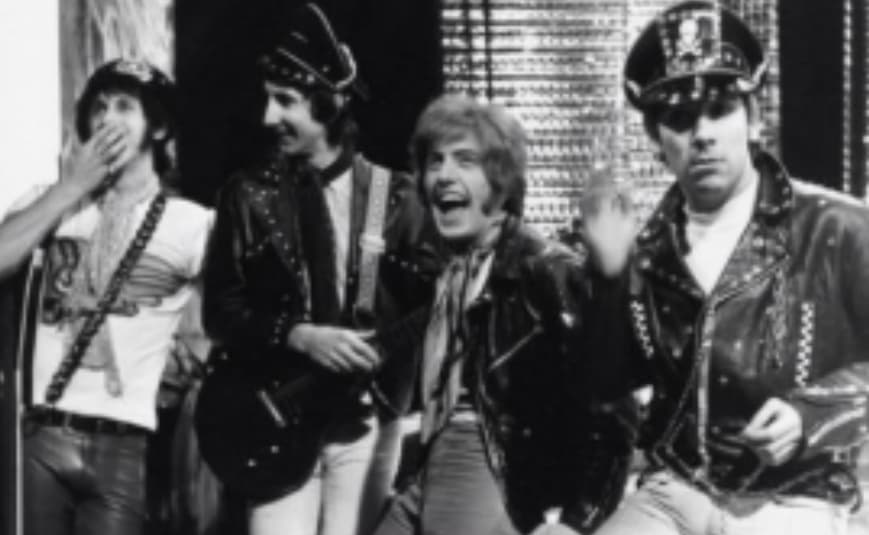
The chemistry between Keith Moon, Pete Townshend, Roger Daltrey, and John Entwistle was unlike anything else happening in popular music during that era. Together, they created a sound that pushed beyond traditional rock structures and hinted at the harder, more aggressive styles that would dominate future generations.
Part of what keeps “I Can See For Miles” so respected today is the feeling that the band was operating far ahead of its time. Even listeners discovering the song for the first time often react with surprise at how modern and cinematic it feels. The combination of thunderous drums, sharp songwriting, and explosive instrumentation gives the track a timeless quality that refuses to fade.
For many rock fans, “I Can See For Miles” is not simply another classic hit from the 1960s. It is a reminder of a moment when The Who transformed rock music into something louder, bolder, and far more dangerous than the world had heard before.