
Why “Sister Disco” Became One Of The Most Underrated Moments In The Who’s History
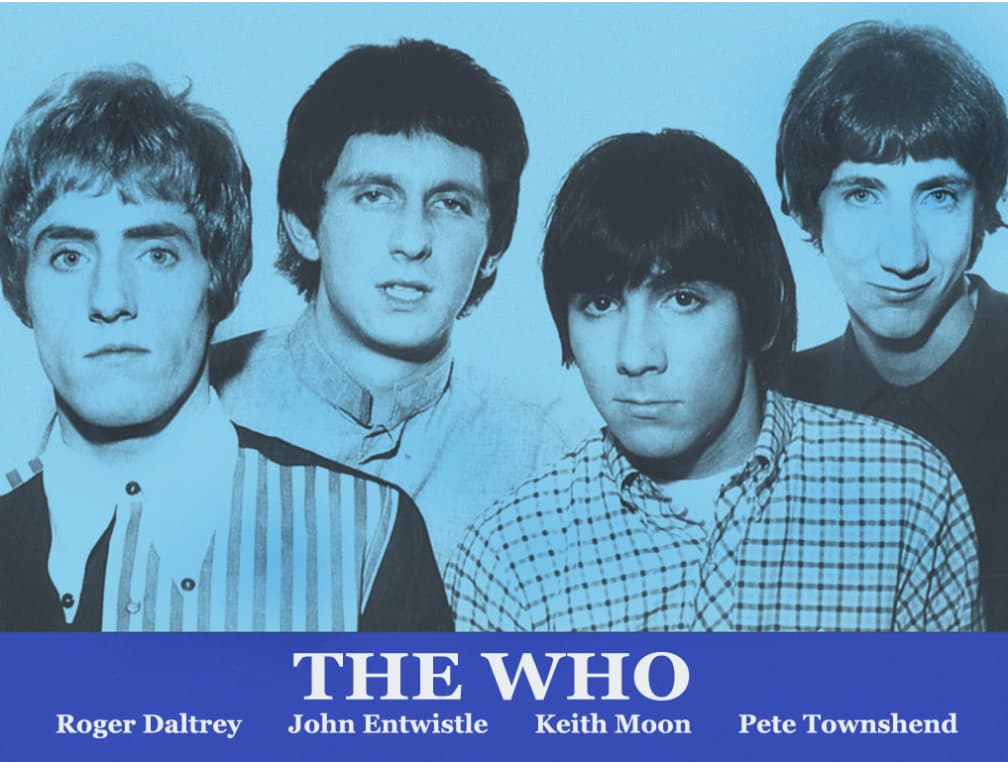
In 1979, The Who stood at one of the most difficult crossroads in their career. Only months earlier, the band had lost legendary drummer Keith Moon, whose explosive playing style had become inseparable from the group’s identity. Replacing him seemed nearly impossible. Yet rehearsal footage of “Sister Disco” featuring Kenney Jones reveals a band determined not to collapse under the weight of its own history.
The rehearsal clip has quietly earned admiration among longtime fans because it captures something rarely discussed about this period of The Who. Rather than simply attempting to imitate Moon, Jones approached the music with his own energy and discipline while still preserving the force the band required on stage.
Originally released on the 1978 album Who Are You, “Sister Disco” was written by Pete Townshend during a period when disco music was dominating popular culture. Instead of becoming a straightforward attack on the genre, the song evolved into a more reflective piece about changing musical tastes and cultural identity. The layered synthesizers and emotional tension inside the track also carried echoes of Quadrophenia, which many fans still consider the band’s artistic peak.
What makes the 1979 rehearsal especially fascinating is the way Jones reshaped the rhythm section. During The Who’s tours between 1979 and 1981, he brought a harder and more grounded style that differed greatly from Moon’s chaotic brilliance. Some fans have noted that Jones even expanded his drum kit to generate the level of power necessary to support songs originally built around Moon’s relentless energy.
The rehearsal footage demonstrates that challenge clearly. Jones does not attempt to recreate every unpredictable fill associated with Moon. Instead, he drives the song forward with force and precision, giving tracks like “Sister Disco” a heavier and more muscular sound. That approach helped The Who survive one of the most emotionally uncertain periods in their history.
The clip also offers a rare glimpse of a veteran band adapting in real time. Roger Daltrey, Townshend, and John Entwistle appear focused on rebuilding chemistry after enormous personal loss. Rather than sounding defeated, the rehearsal reveals musicians searching for a new identity while still honoring the intensity that made The Who legendary.
Today, the footage stands as an important reminder that The Who’s story did not end with Keith Moon. For many fans, the Jones era remains underrated, but performances like this prove the band still possessed enormous power, ambition, and emotional depth even during one of the most challenging chapters of their career.