
The Who Returned From Tragedy With One Of The Most Emotional Comebacks In Rock History
In August 1979, The Who stood before cameras during one of the most uncertain periods of their career. Less than a year after the death of legendary drummer Keith Moon, the band prepared for its first major live performances without the musician whose wild energy had helped define their identity for more than a decade.
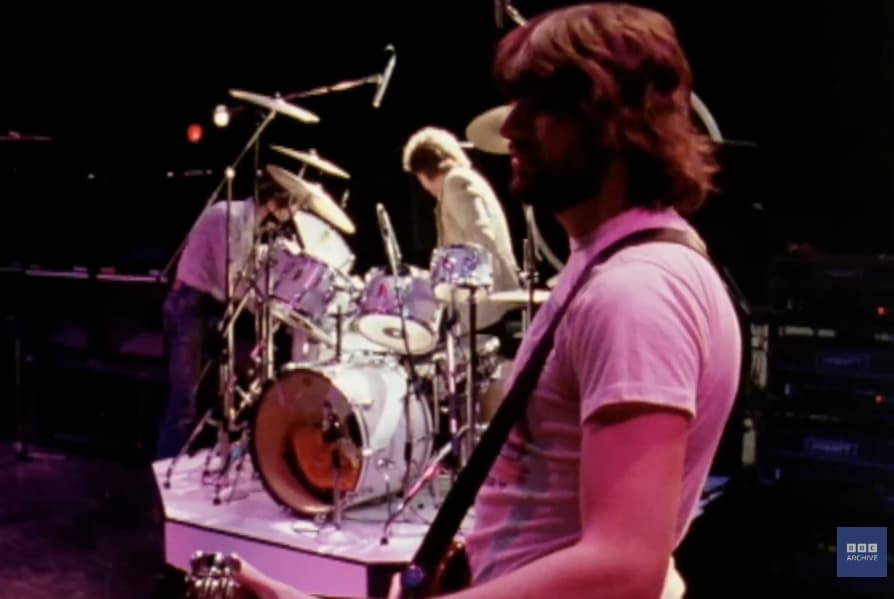
The rare BBC footage from Nationwide, originally broadcast on BBC One on August 17, 1979, captured a group still processing grief while attempting to move forward. Far from being a routine promotional interview, the program revealed the emotional uncertainty surrounding The Who’s return to the stage.
During the report, Pete Townshend explained why the band decided to continue after Moon’s death, saying that none of them wanted his passing to feel pointless. The comment reflected the emotional burden hanging over the group at the time. Many fans believed The Who could not exist without Moon’s chaotic brilliance behind the drums.
The interview also featured Roger Daltrey and John Entwistle speaking openly about life beyond touring. By 1979, members of the band had developed growing interests in film production and other creative projects outside live music. The report even touched on the hearing damage caused by years spent performing in one of the loudest rock bands in the world, an issue that had already become serious for many musicians of their generation.
One of the most important figures in the footage was Kenney Jones, formerly of Small Faces, who stepped into the nearly impossible role of replacing Moon. The program showed Jones approaching the position with humility and caution, fully aware of the expectations surrounding him. Rather than trying to imitate Moon completely, Jones brought a steadier and more structured style that helped stabilize the band during a fragile transition.
The report also documented preparations for The Who’s performances at London’s Rainbow Theatre, concerts that carried enormous emotional significance for both the band and their audience. For many fans, these shows represented a test of whether The Who could survive one of the greatest losses in rock history.
Today, the BBC archive footage remains deeply moving because it captures legendary musicians speaking honestly at a crossroads moment. There is grief in their words, but also determination. The interview shows a band refusing to let tragedy become its final chapter. More than four decades later, the clip stands as one of the clearest portraits of The Who fighting to rediscover purpose after heartbreak.