
How a Three Minute Television Performance Captured the Wild Chemistry That Made The Who Legendary
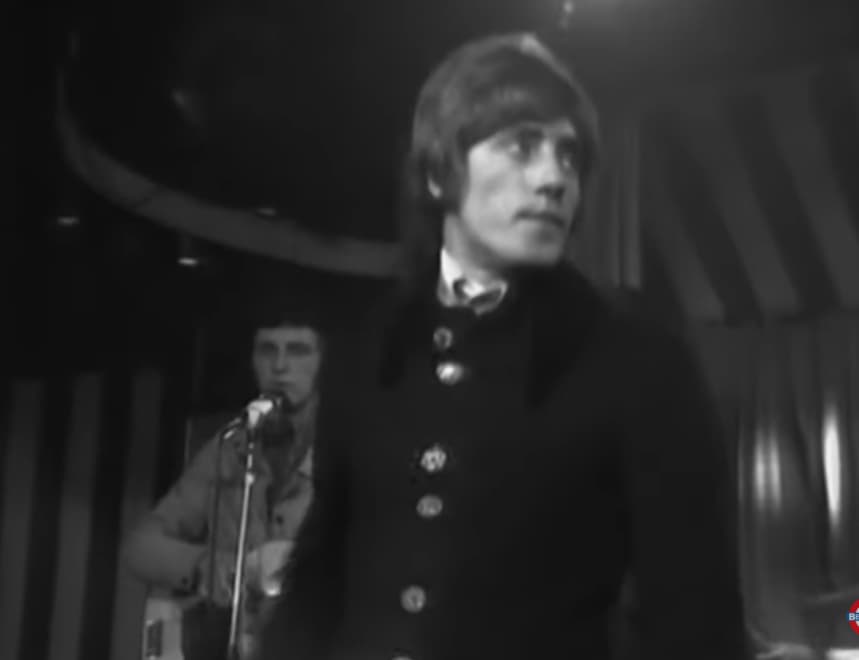
When The Who performed “Happy Jack” live in 1967, the band delivered far more than a simple television appearance. The performance became a vivid snapshot of one of rock music’s most unpredictable and electrifying groups at the peak of their early power. Nearly sixty years later, the clip continues to fascinate music fans because it perfectly captures the chemistry that made The Who different from every other British band of the era.
Formed in London in 1964, The Who’s classic lineup featured Roger Daltrey, Pete Townshend, John Entwistle, and Keith Moon. While many groups of the 1960s relied on polished presentation and controlled performances, The Who built their reputation on raw energy, aggressive stage presence, and musical risk taking. Their concerts quickly became famous for smashed guitars, destroyed drum kits, and an almost dangerous level of intensity.
By the time “Happy Jack” became a hit, the band had already established itself with songs such as “My Generation” and “Substitute.” Yet this live performance reveals why audiences connected with them on a deeper level. Each member performs with complete individuality while somehow remaining perfectly locked together as a unit.
The standout figure in the clip is undoubtedly Keith Moon. His drumming feels chaotic at first glance, but a closer look reveals remarkable precision and instinctive timing. Moon attacks the drums with explosive force, filling every second with movement and energy while never losing control of the song’s momentum. Many fans and critics have since described him as one of rock music’s most original drummers, and this performance offers strong evidence for that reputation.
Roger Daltrey delivers the vocals with confidence and swagger, while Pete Townshend balances sharp rhythm guitar work with his trademark stage aggression. John Entwistle, often the quietest member visually, provides the steady low end that keeps the performance grounded amid the frenzy happening around him.
What makes this 1967 clip especially valuable today is its authenticity. There are no elaborate visual effects, backing tracks, or modern production tricks. The performance relies entirely on musical chemistry, personality, and live execution. In only a few minutes, The Who demonstrate why they became one of the most influential rock bands of the twentieth century and why their legacy continues to inspire generations of musicians and fans alike.