
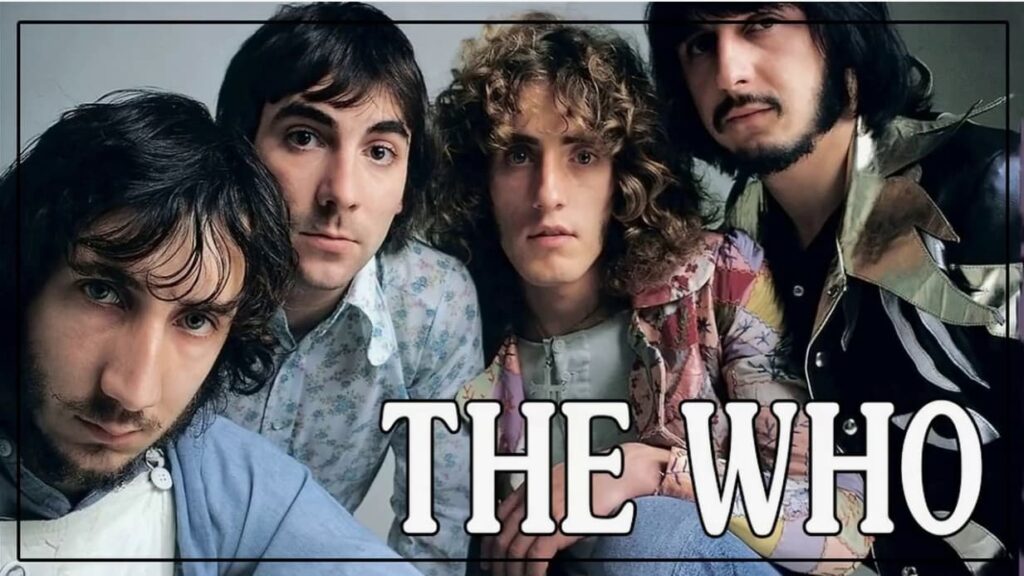
“Cut My Hair” Continues to Prove Why Quadrophenia Is Considered One of Rock Music’s Greatest Achievements
For many listeners, “Cut My Hair” remains one of the most emotionally powerful songs ever recorded by The Who. Originally released on the band’s 1973 rock opera Quadrophenia, the song continues to resonate deeply with audiences who see it as far more than just another classic rock track. Over the decades, fans have repeatedly described the song as a defining expression of identity, youth, rebellion, and belonging.
Written by Pete Townshend, “Cut My Hair” tells the story of Jimmy, the central character of Quadrophenia, as he struggles with questions about individuality and acceptance within British Mod culture during the 1960s. The lyrics focus on appearance, fashion, and self image, but underneath those details lies a much larger emotional conflict about trying to find purpose and identity in a changing world.
One lyric in particular has become unforgettable for many fans. The line referencing the “zoot suit” and the “white jacket with side vents” has developed an almost legendary emotional connection among listeners who identify with the Mod movement and the era that inspired the album. Fans often describe the refrain as deeply personal because it captures the pride, style, and emotional intensity associated with Mod culture in Britain during the mid 1960s.
Quadrophenia itself has long been regarded as one of the most ambitious projects in rock history. Unlike a traditional album built around radio hits, it was designed as a complete narrative experience exploring youth frustration, class identity, mental conflict, and cultural belonging. Many critics and listeners now consider it one of the defining achievements of classic rock music.
The performance of Roger Daltrey also remains central to the song’s enduring reputation. His vocal delivery gives “Cut My Hair” a sense of vulnerability and emotional realism that continues to connect with new generations of listeners. Combined with Townshend’s songwriting and the powerful musicianship of John Entwistle and Keith Moon, the track represents what many fans consider The Who at their creative peak.
More than fifty years after its release, “Cut My Hair” still inspires passionate reactions from audiences around the world. For longtime fans of Quadrophenia, the song represents more than nostalgia. It stands as a reminder of how music can preserve identity, culture, and emotion across generations. Many listeners continue to believe that The Who achieved something with Quadrophenia that few artists have ever matched, creating a work that feels larger than rock music itself.