
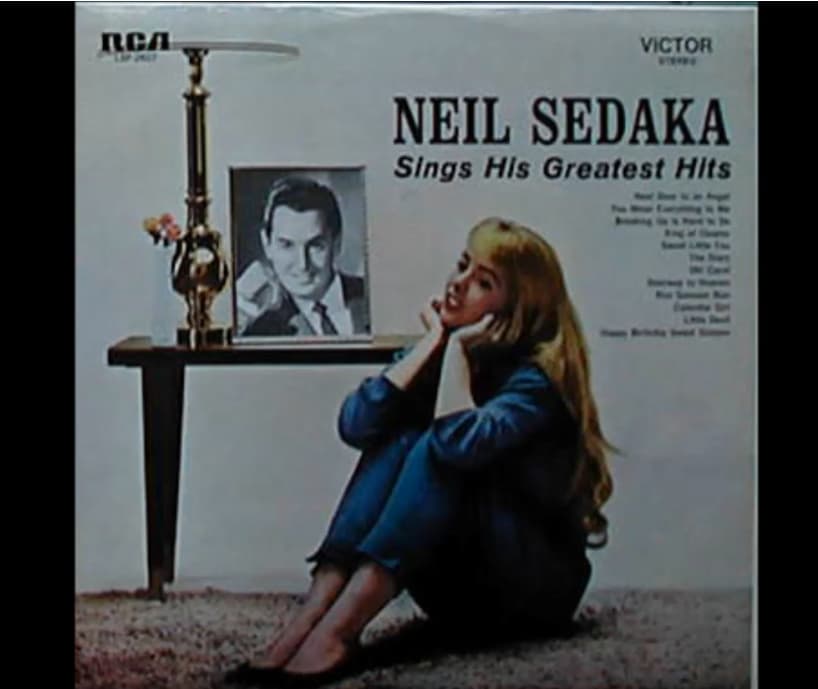
Neil Sedaka Brings Spark and Style to Sweet Little You in a Memorable 1961 Recording
In the early years of the 1960s, Neil Sedaka continued to prove that his talent extended far beyond the handful of songs that remain most familiar to mainstream audiences. One notable example is his lively recording of Sweet Little You, released in 1961, a performance that still earns praise from dedicated fans who appreciate his energetic vocals and confident piano playing.
Unlike many of Sedaka’s biggest hits, Sweet Little You was not written by the singer himself. The song was composed by Barry Mann and was reportedly recorded by Sedaka as a favor connected to his record label and professional relationships at the time. Even so, listeners have long argued that Sedaka made the track entirely his own through his spirited delivery and unmistakable musical personality.
Another important contributor to the recording was arranger Stan Applebaum, whose polished orchestral work helped shape the sound of many pop records during the era. Admirers of Sweet Little You often point to the strong arrangement as one of the song’s greatest strengths, noting how it complements Sedaka’s vocal performance while adding momentum and depth to the recording.
Fans also continue to celebrate the song for its memorable backing vocals, particularly the rich male baritone harmonies that give the chorus additional character. Combined with Sedaka’s rhythmic piano style, these elements create a recording that reflects the vibrant spirit of early 1960s American pop music.
Despite a career filled with chart success, some listeners believe Sedaka remains underappreciated when his catalog is viewed as a whole. While songs such as Calendar Girl and Breaking Up Is Hard to Do are widely recognized, supporters often encourage newcomers to explore deeper cuts like Sweet Little You, arguing that they reveal the versatility and consistency that defined his career.
More than six decades after its release, the recording continues to attract attention from longtime admirers and curious listeners discovering it for the first time. Many praise its infectious energy and timeless craftsmanship, while others enjoy learning the story behind why Sedaka chose to record a song he did not write.
Sweet Little You stands as another reminder of Neil Sedaka’s remarkable ability to bring enthusiasm, charm, and musical precision to every performance. For fans of classic pop, it remains an engaging snapshot of an artist whose broader body of work deserves renewed appreciation.