
The Alchemists of the West Midlands: How Noddy Holder and Roy Wood Celebrated a Lifelong Brotherhood of Sonic Originality and Working Class Pride
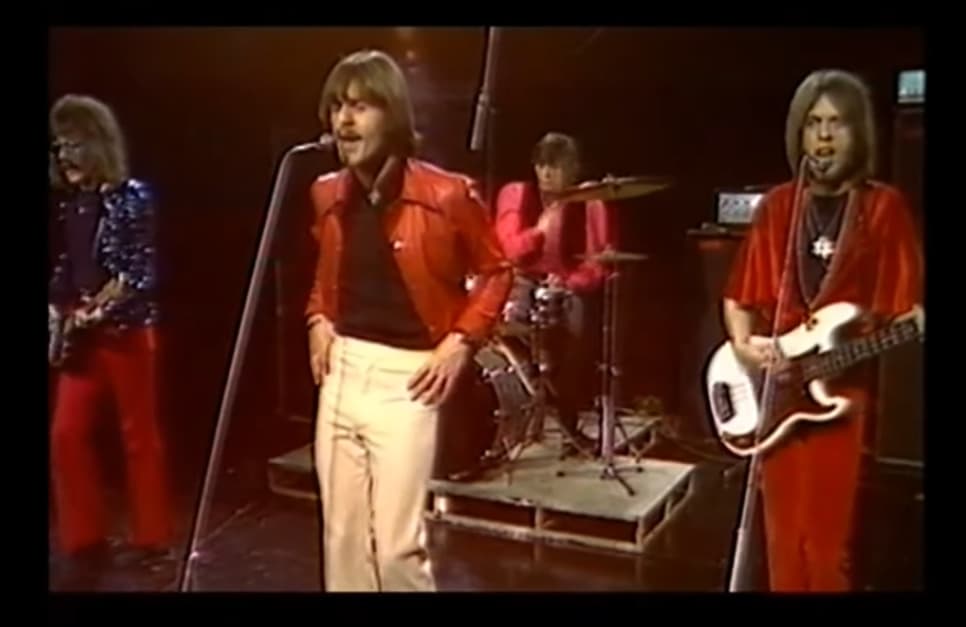
True artistic genius within the rock and roll landscape is rarely an isolated phenomenon; it thrives in regional epicenters where shared backgrounds and brotherly rivalries push visionaries to create immortal art. A professionally significant archival television documentary beautifully preserves the deep, unbreakable bond between two of the West Midlands’ most titanic figures. Hosted by the legendary Slade frontman Noddy Holder, this spectacular retrospective broadcast pays loving tribute to his lifelong mate and fellow musical pioneer, Roy Wood. Standing today as an invaluable historical holy grail for global music preservationists, this exceptional footage captures a golden era, charting Wood’s path through the Move, the Electric Light Orchestra, and Wizzard while highlighting a rare, authentic companionship forged in the fires of the British charts.
To immerse oneself in this vibrant documentary is a profoundly moving experience that triggers an immediate, overwhelming wave of pure warmth and celebratory nostalgia. Holder introduces Wood not as an unapproachable rock myth, but as a beloved peer, playfully comparing their seasonal chart battles to a musical version of Morecambe and Wise. The film beautifully details Wood’s early life in Birmingham, tracking his journey from a young fourteen year old acquiring a prized Fender Stratocaster on hire purchase to a frantic multi instrumental virtuoso. Wood famously possessed a rare, innate talent that allowed him to master almost any instrument he picked up, including the oboe, cello, saxophone, and even bagpipes, which once resulted in him getting kicked out of several hotels for practicing in his room. His ability to build sturdy musical structures and then decorate them like a madman became his signature trait, leading him to play every single instrument on his solo tracks after a brief, legendary dispute with the Musicians’ Union.
The true emotional weight of the broadcast lies in its honest, behind the scenes look at the birth of monumental bands and iconic cultural shifts. The documentary revisits the historic Cedar Club where Wood first united with Carl Wayne, Ace Kefford, Bev Bevan, and Trevor Burton to launch the Move in nineteen sixty six. It charts their rise as a moody, heavy live act at the Belfry mansion, their navigating of infamous publicity stunts under manager Tony Secunda, and their historic milestone of releasing “Flowers in the Rain,” the first song ever broadcast on BBC Radio One. The narrative gracefully transitions into Wood’s subsequent sonic evolutions, including his early cello driven collaborations with Jeff Lynne that birthed ELO, and the festive, Phil Spector wall of sound explosion that defined Wizzard’s roaring anthem “See My Baby Jive.”
Beyond the roaring chart toppers, Holder and Wood share a delightful, humorous look at the creation of their rival nineteen seventy three holiday masterpieces. Wood recalls the bizarre studio session for “I Wish It Could Be Christmas Everyday,” which was actually tracked during a boiling hot August summer. To conjure a chilly festive atmosphere, the band intentionally blasted the studio air conditioning until the room froze, recording their parts in heavy overcoats and bobble hats. While Slade ultimately beat Wizzard to the coveted number one spot that winter, Holder displays zero hard feelings, warmly crowning Wood’s track as perhaps the greatest Christmas song ever made.
Operating in an era entirely free from modern digital tracking or artificial filters, Wood’s enduring body of work recently earned him a prestigious Ivor Novello Lifetime Achievement Award. As the feature concludes with a glimpse of Wood rocking into the new millennium with a massive twelve piece ensemble, contemporary classic rock seekers are left with a profound sense of historical pride. Ultimately, this magnificent television document remains an indispensable masterpiece of rock history, ensuring that the brilliant, colorful legacy of Roy Wood and his brotherhood with Noddy Holder will continue to provide deep inspiration for generations of music lovers across the globe.