
Why “Fortunate Son” Remains One of Rock’s Most Powerful Performances
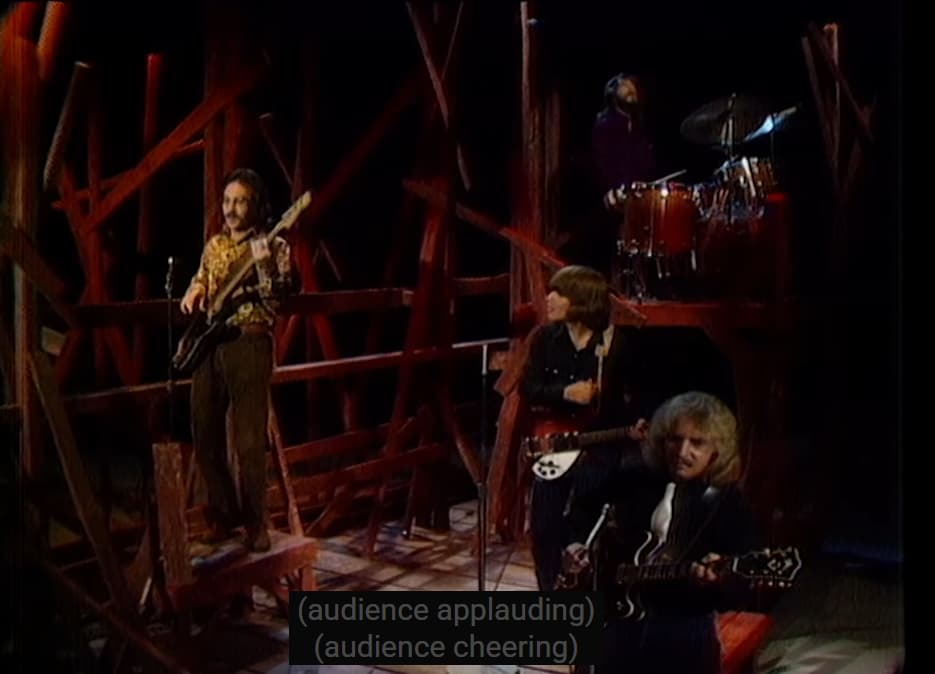
When Creedence Clearwater Revival performed “Fortunate Son” on The Ed Sullivan Show, it became far more than a standard television appearance. The performance captured a moment when rock music was beginning to openly confront political and social frustrations in front of mainstream American audiences.
For more than two decades, The Ed Sullivan Show served as one of the most influential entertainment programs on television. Airing on CBS from 1948 to 1971, the show introduced millions of viewers to major cultural figures across music, comedy, and theater. Legendary artists including Elvis Presley, The Beatles, and The Rolling Stones all appeared on its stage. The program helped bring rock and roll into living rooms across America while also showcasing performers from Motown, Broadway, and stand up comedy.
Against that backdrop, Creedence Clearwater Revival’s performance of “Fortunate Son” carried unusual weight. Released during the height of the Vietnam War era, the song became known for its sharp criticism of privilege and inequality. Many listeners interpreted the lyrics as a direct statement about young working class Americans being sent into dangerous situations while wealthier and more connected families avoided the same burden.
What made the television appearance especially striking was the fact that such themes were being presented on one of the country’s most mainstream programs. Viewers were not simply watching another rock performance. They were seeing a major network television show give space to music that reflected growing frustration among younger generations.
At the center of the performance was John Fogerty, whose voice gave the song its unforgettable intensity. Fogerty’s high tenor mixed with a rough rasp created one of the most recognizable vocal sounds in rock history. His delivery brought urgency and conviction to every line, while his guitar playing added sharp energy to the performance.
Fans continue to praise Fogerty not only as a singer, but also as an exceptional songwriter and musician. “Fortunate Son” remains one of the clearest examples of his ability to combine memorable hooks with meaningful commentary.
Decades later, the performance still resonates because it represents a rare moment when popular entertainment, rock music, and social reality collided on national television. Creedence Clearwater Revival did not rely on elaborate production or spectacle. Instead, they delivered a raw and direct performance that continues to speak to audiences long after the original broadcast ended.