
The Anatomy of Heartbreak and Resilience: How Jackson Browne’s Nineteen Seventy Six Soundstage Invocation Transformed Private Grief into a Timeless Universal Sanctuary
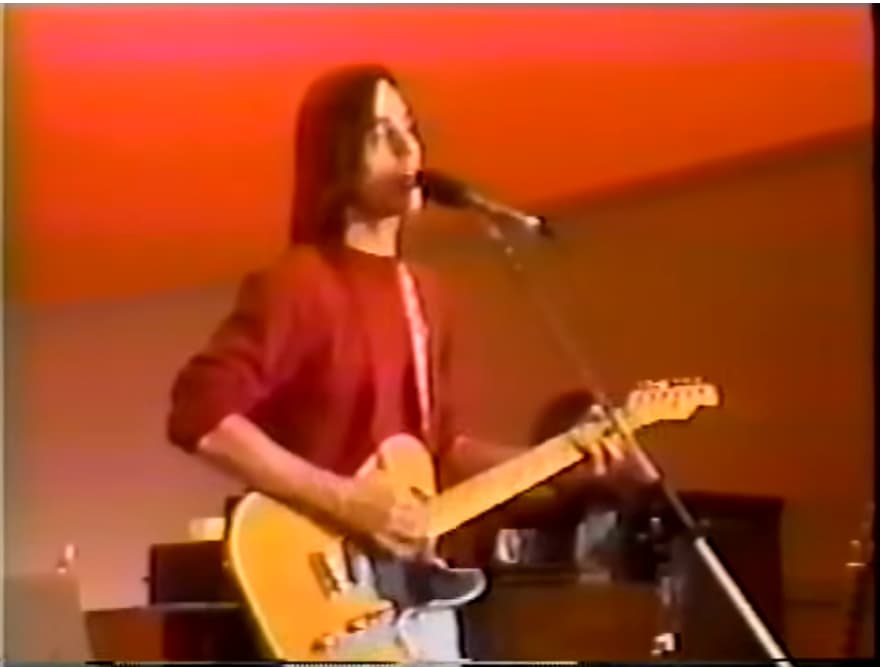
True artistic greatness is often forged in the deepest valleys of human suffering, where the simple act of stepping onto a stage becomes an agonizing exercise in survival. On November 6, 1976, inside the busy confines of The Chicago Production Center in Illinois, the legendary singer songwriter Jackson Browne stood before the television cameras to tape a historic appearance for the acclaimed PBS series Soundstage. Standing today as an invaluable historical holy grail for music preservationists worldwide, this precious screener copy captures Browne at a profound psychological crossroads, translating immense personal tragedy into a towering, emotionally shattering masterclass of transcendental folk rock.
To explore this rare nineteen seventy six broadcast is an incredibly moving experience that triggers an immediate, overwhelming wave of pure warmth and bittersweet nostalgia. The performance took place a mere eight months after the tragic suicide of Browne’s wife, leaving the young father to navigate the staggering loss of the mother of his young child while under intense corporate pressure to promote his newly released masterpiece, The Pretender. Radio station staff who interviewed him earlier that afternoon recalled that simply looking into his eyes was a lesson in pure heartbreak. That visceral trauma manifests completely in his heavy body language and defiant vocal delivery as he tears through a monumental setlist including “The Fuse,” “Late For The Sky,” and “Fountain Of Sorrow,” anchored by the devastatingly prophetic line warning that the fear of living for nothing strangles the will.
The true historical depth of this resurrected archive resides heavily in its brilliant presentation of the musical brotherhood between Browne and his mythic multi instrumentalist companion, the late virtuoso David Lindley. The sheer weight of Lindley’s contribution to Browne’s signature sound cannot possibly be underestimated. Rather than merely mimicking the studio tracks, Lindley completely elevates every single composition, executing impeccable, spontaneous solos on the steel guitar, lead guitar, and violin that left viewers utterly spellbound. His exquisite string work provides the perfect emotional foil for Browne’s stark realism, weaving a dense tapestry of sound completely free from modern digital tracking or artificial filters.
For classic rock seekers who originally absorbed this broadcast as teenagers during the vinyl era, discovering this pristine television artifact brings a deep sense of comfort and lasting historical pride. It stands as a beautiful monument to the enduring power of raw human stamina, illustrating how a great artist can stare into the ultimate low point of his life and still generate a joyful, healing sound for the world. Ultimately, this magnificent PBS Soundstage document remains an indispensable triumph of American roots music, ensuring that the brilliant, sorrow stained legacy of Jackson Browne and David Lindley will continue to provide profound inspiration for generations of music lovers across the globe.