
The Jim Reeves Classic That Became a Soundtrack for Generations of Families
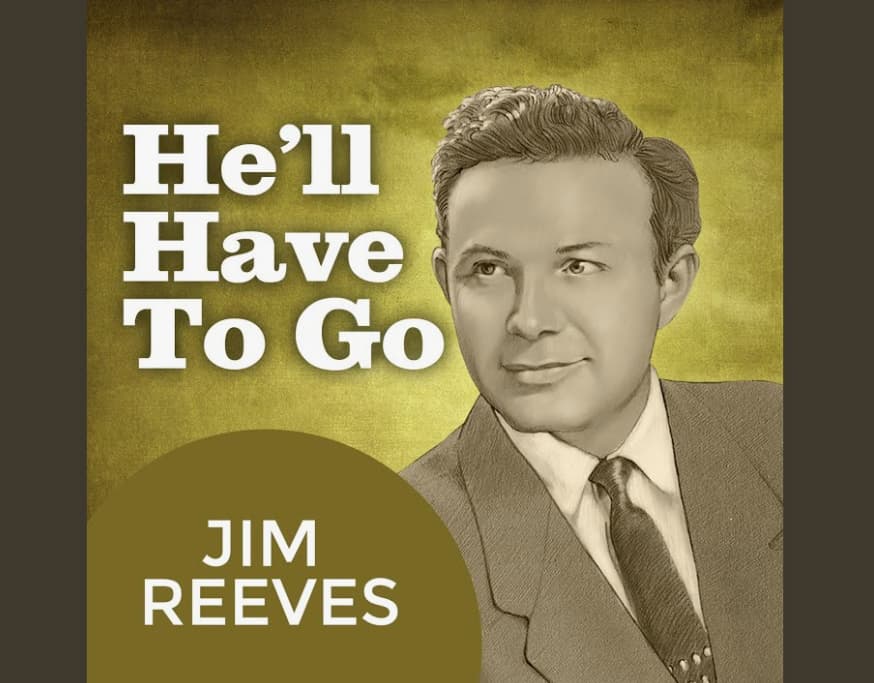
Few songs from the golden era of country music continue to connect generations quite like “He’ll Have To Go” by Jim Reeves. More than six decades after its release, the recording remains one of the most recognized and emotionally enduring performances in classic country history.
Released in 1959 and becoming a major hit in 1960, the song helped establish Jim Reeves as one of the defining voices of the Nashville Sound era. Reeves brought a smoother and more refined vocal style to country music at a time when the genre was evolving beyond its traditional roots. His calm delivery and intimate tone in “He’ll Have To Go” immediately stood out to audiences across America and internationally.
The song became the number one country record for fourteen consecutive weeks in 1960, a remarkable achievement during one of the most competitive periods in country music history. Its success was soon followed by Hank Locklin’s “Please Help Me I’m Falling,” another major hit that also held the top position for fourteen weeks. Interestingly, Reeves reportedly had the opportunity to record that song first but decided not to. Music historians and longtime fans have often wondered how a Jim Reeves version might have sounded, although Hank Locklin’s interpretation became a classic in its own right.
Today, “He’ll Have To Go” continues to resonate with listeners for reasons that extend far beyond chart success. For many families, Jim Reeves’ music is deeply connected to memories of home, childhood, and shared moments with loved ones. Fans frequently describe hearing his records during weekend mornings, family gatherings, and quiet evenings. His voice has become associated not only with country music history but also with personal remembrance and emotional comfort.
One listener recently reflected on growing up hearing Jim Reeves every weekend while family breakfasts were being prepared at home. After the recent loss of both parents within a short period of time, returning to Reeves’ music became a source of comfort and a reminder of happier years spent together. Stories like these continue to appear across online communities dedicated to classic country music, showing how Reeves’ recordings still carry emotional meaning decades after they were first released.
Jim Reeves passed away in a plane crash in 1964 at the age of forty, but his influence never disappeared. “He’ll Have To Go” remains one of the clearest examples of why his music continues to endure. For longtime fans and younger listeners discovering him for the first time, the song represents a rare combination of simplicity, warmth, and timeless emotional connection.