
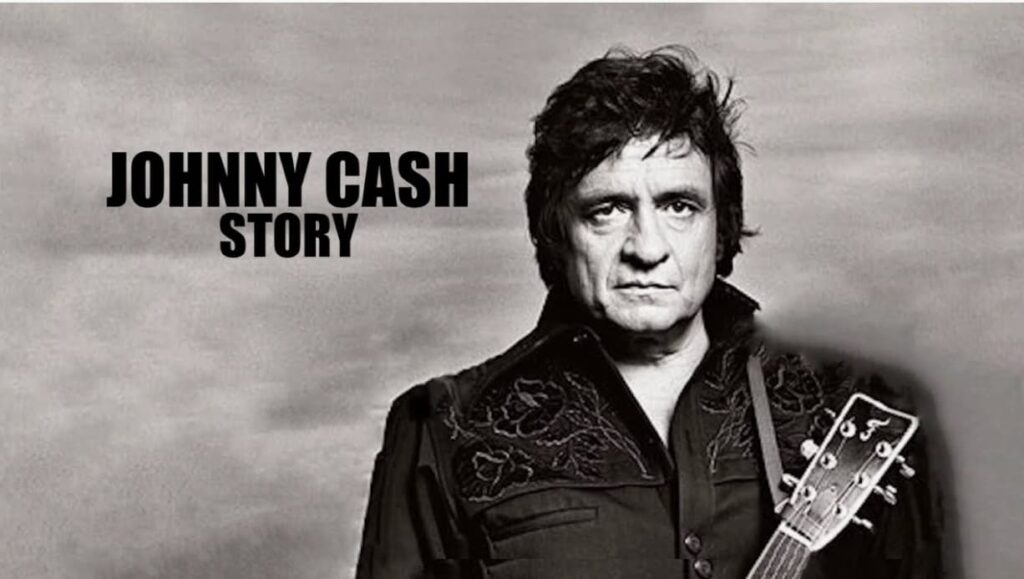
I See a Darkness Johnny Cash Cover and the Song That Feels Like a Confession
In music history, some recordings go beyond entertainment and become emotional documents. The version of I See a Darkness performed by Johnny Cash is often discussed in that way. Originally written and performed by Will Oldham under his Bonnie Prince Billy project, the song already carried a heavy emotional weight. In Cash’s interpretation, that weight feels even more direct, almost like a final personal statement rather than a cover.
The song itself is built on a simple but unsettling idea. It describes a person who recognizes darkness within themselves, not as a metaphor, but as a lived emotional state. It is not framed as dramatic storytelling. Instead, it feels like an honest admission of vulnerability, loneliness, and the need for human connection. At its core, the song is about someone reaching toward another person and asking not for answers, but for understanding.
Johnny Cash recorded his version in the final years of his life, a period when his voice had already taken on a fragile and reflective quality. That context changes how listeners experience the song. Lines that might feel abstract in another voice become deeply personal when delivered by Cash. The performance carries the sense of a man who has lived through success, loss, illness, and reflection, speaking with complete emotional transparency.
Many listeners describe the experience of hearing this version as confronting. The delivery is restrained, but the emotional impact is intense. There is no attempt to dramatize the lyrics. Instead, every phrase feels grounded, as if it is being spoken rather than performed. This approach is part of what makes the recording so widely discussed in music communities and comment sections.
Online reactions often show a shared emotional response. Some listeners connect the song with personal moments of grief or isolation. Others describe it as strangely comforting, as it acknowledges darkness without trying to erase it. The recurring idea in many responses is that the song does not offer resolution. Instead, it offers recognition, the feeling of being seen in a difficult emotional state.
The lasting impact of this recording comes from that balance. It does not try to turn pain into spectacle. It simply presents it, honestly and quietly. In doing so, it becomes more than a song. It becomes a space where listeners project their own experiences and feel less alone in them.
For many, hearing Johnny Cash sing I See a Darkness is not just listening to music. It feels like hearing a final conversation between light and shadow, delivered in the voice of someone who understood both.