
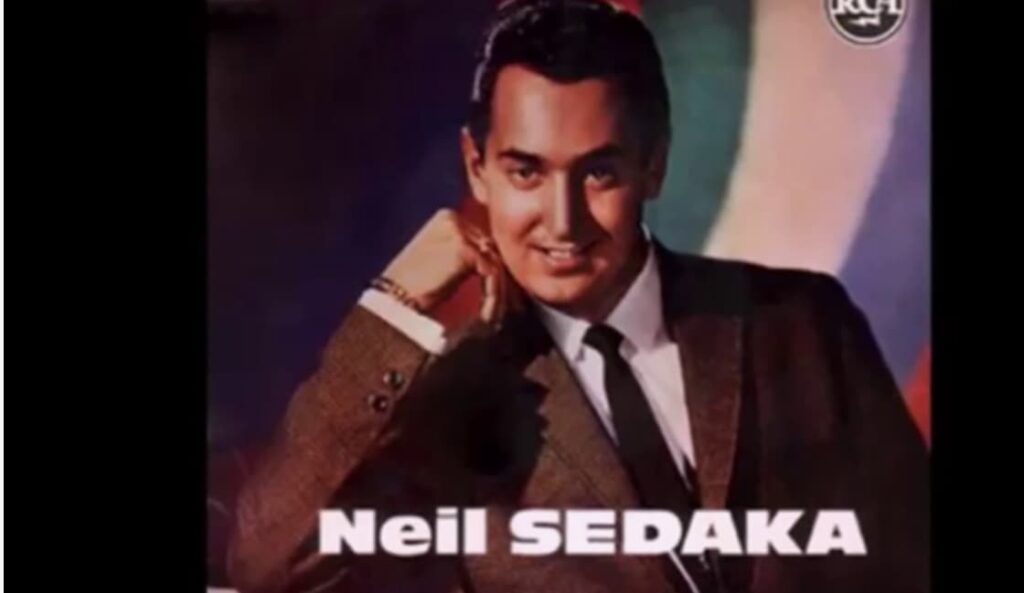
The explosive piano that defined an early rock and roll moment in Neil Sedaka 1959 recording
In 1959 a recording titled I Go Ape associated with Neil Sedaka continues to resurface in listener discussions as a striking example of early rock and roll energy built around piano driven arrangements. The track is remembered not only for its youthful intensity but also for the vivid instrumental character that defined much of Sedaka’s early studio work. Among fans who revisit vintage recordings, this piece is often described as a snapshot of a period when pop and rock sounds were rapidly evolving in the late 1950s.
One personal recollection often shared by listeners describes hearing the song at a garden fete in Prescot near Liverpool in 1959. The memory is told with strong emotion, recalling how the music cut through the atmosphere and drew attention away from everything else. The opening piano is frequently highlighted as immediate and powerful, creating a sense of excitement that felt unusual for its time. For many young listeners of that era, moments like this represented a first encounter with the emerging energy of rock and roll music.
The recording session itself is noted for its strong musicianship. I Go Ape was recorded on January 15, 1959 and features the renowned saxophone player King Curtis. His contribution is particularly remembered in the middle section of the track where the saxophone adds a bold and expressive layer to the arrangement. Alongside this, the piano work stands out as driving and percussive, shaping the overall rhythm and giving the song its distinctive momentum. Sedaka’s performance on piano is often described by listeners as energetic and precise, reflecting the spirit of experimentation present in that era of studio production.
Over time, the song has gained appreciation as part of Sedaka’s early artistic development. It reflects a period when songwriters and performers were blending pop structure with the raw edge of rock influenced sound. While music trends have changed significantly since then, this recording remains a point of interest for those exploring the foundations of modern popular music. It continues to be shared and discussed by audiences who value its historical context and its lively performance style.