
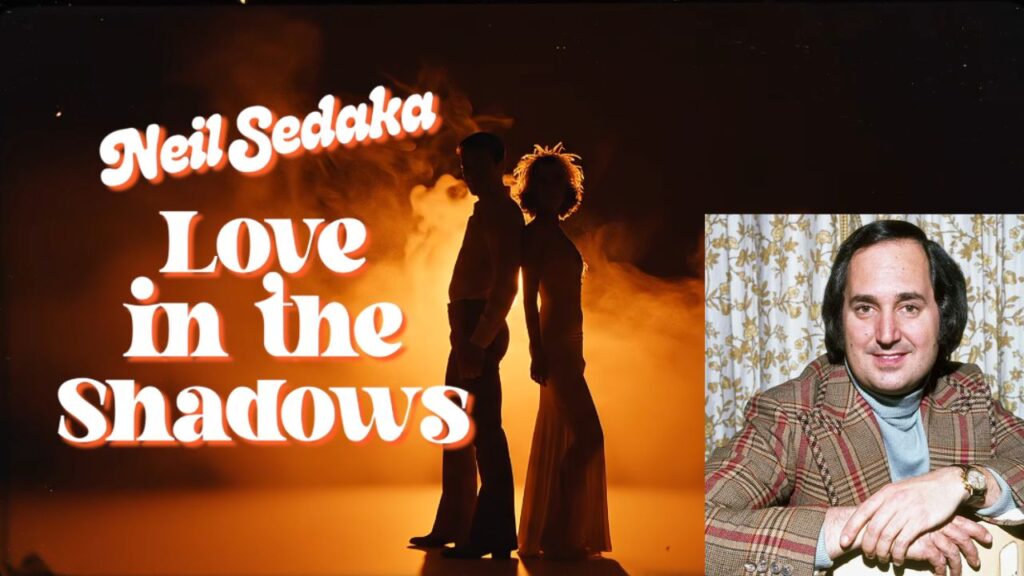
A Forgotten Groove Revisited Neil Sedaka Love in the Shadows and the Disco Touch of 1976
The song Love in the Shadows by Neil Sedaka continues to draw renewed attention as listeners revisit his 1976 album Steppin Out, a key release from his return era. The recording reflects a moment when established pop songwriters were adapting to the rapidly changing soundscape of the mid seventies, where upbeat rhythm driven production began to dominate radio playlists.
Originally released during a period of creative resurgence for Sedaka, Love in the Shadows blends his signature melodic structure with a more dance oriented arrangement. The track carries a noticeable rhythmic pulse that aligns with the popular disco influenced direction of the time. While Sedaka was already known for earlier chart successes, this phase of his career demonstrated his ability to adjust to evolving musical trends without abandoning his core identity as a songwriter.
Listeners who encountered the song during its original release often recall strong regional radio support, with some noting frequent airplay in major American cities. The production style features a steady groove, layered instrumentation, and a vocal delivery that remains smooth and controlled even as the arrangement becomes more energetic. It stands as an example of how established artists attempted to stay relevant in a decade defined by stylistic transition.
Audience reactions over time have been mixed in tone but consistent in appreciation. Some listeners describe the track as underrated, highlighting its infectious rhythm and emotional warmth. Others associate it with the broader shift toward disco influenced pop music, where tempo and danceability often shaped radio success more than traditional songwriting formats. Fans of Sedaka frequently point out that many of his record releases contained strong secondary tracks, creating a sense of discovery when flipping vinyl singles.
Modern listeners continue to rediscover Love in the Shadows through digital platforms, where it is often introduced alongside discussions about Sedaka long career and musical adaptability. The song now functions as both a nostalgic reminder of mid seventies pop evolution and a testament to an artist who remained creatively active across changing eras.
In reflecting on this recording, it becomes clear that Love in the Shadows represents more than a single track. It captures a transitional moment in popular music history, when melody based songwriting met the rising influence of dance floor culture, and veteran artists found new ways to express themselves within it.