
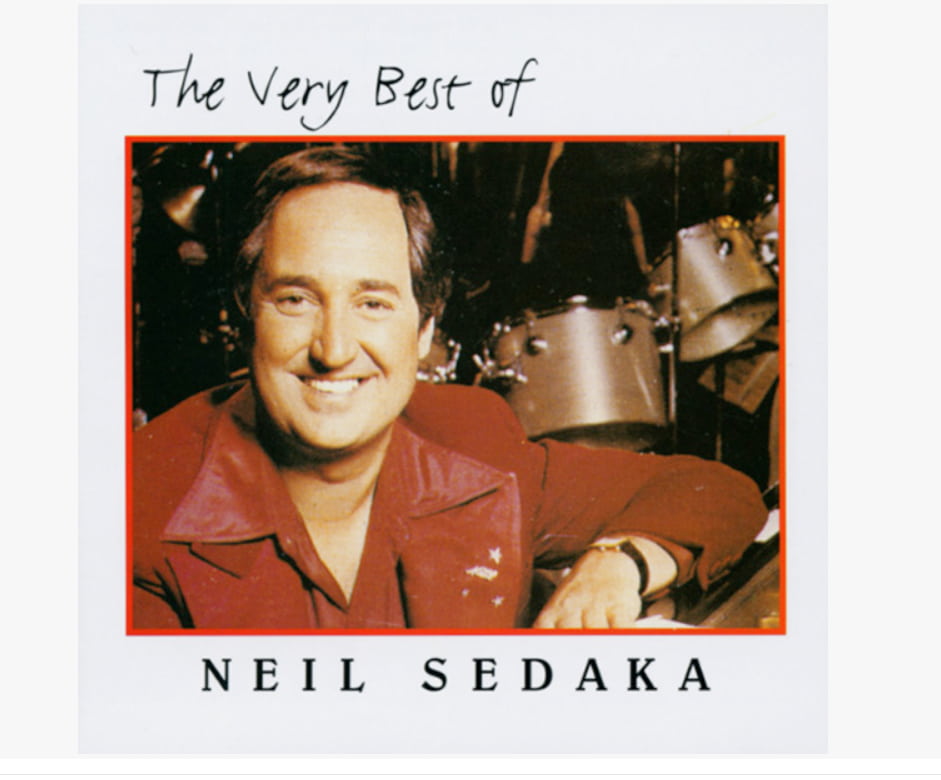
Rediscovering “The Same Old Fool” Why Neil Sedaka’s Overlooked 1960 Recording Still Deserves Attention
While “Calendar Girl” remains one of Neil Sedaka’s most celebrated early hits, many longtime fans have come to appreciate another song released alongside it that often receives far less attention. “The Same Old Fool,” issued in 1960 as the B side of the “Calendar Girl” single, offers listeners a different perspective on Sedaka’s songwriting and vocal style while hinting at influences that extend beyond traditional pop.
Written by Neil Sedaka and his longtime collaborator Howard Greenfield, “The Same Old Fool” blends elements of pop with a country flavored approach that sets it apart from many of Sedaka’s better known recordings from the same period. Although it never achieved the commercial recognition of its companion single, the song has earned admiration among collectors and dedicated fans who continue to revisit the early years of Sedaka’s career.
Online discussions surrounding the recording frequently highlight its understated charm. Some listeners describe it as one of Sedaka’s hidden gems, praising both its melody and its emotional delivery. Others have remarked that they only discovered the song years after first owning the original record, realizing that they had rarely listened to the reverse side of the single despite enjoying “Calendar Girl” for decades.
Another topic often raised by fans is the resemblance between “The Same Old Fool” and “My Heart Has a Mind of Its Own,” the 1960 hit made famous by Connie Francis. Music enthusiasts have suggested that the similarities may reflect the involvement of Howard Greenfield, who co wrote “The Same Old Fool” with Sedaka and also co wrote Connie Francis’s recording with songwriter Jack Keller. While each song has its own identity, the shared lyrical sensibility and melodic style have inspired comparisons for many years.
Looking back, “The Same Old Fool” illustrates the depth of Neil Sedaka’s catalog during a remarkably productive period of his career. Even songs that occupied the B side of a successful single displayed careful craftsmanship and memorable songwriting. That consistency helped establish Sedaka as one of the defining artists of early 1960s popular music.
More than sixty years after its release, “The Same Old Fool” continues to find new audiences through archival recordings and fan communities. For listeners willing to explore beyond the biggest chart hits, the recording serves as a reminder that some of an artist’s most rewarding work can be found in the places where few initially thought to look.