
Bohemian Rhapsody Live in Montreal Still Stands as One of Queen’s Most Remarkable Concert Performances
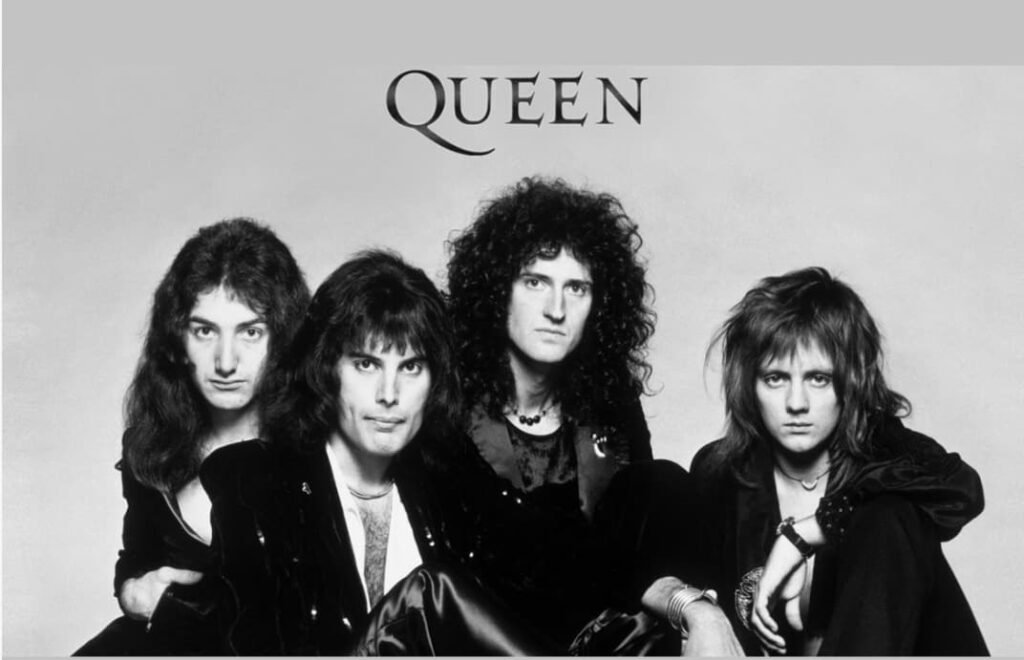
More than four decades after it was recorded, Queen’s live performance of Bohemian Rhapsody in Montreal during 1981 continues to captivate music fans around the world. Featured in the celebrated concert film and later included on the audio release Queen Rock Montreal, the performance highlights the extraordinary chemistry between Freddie Mercury, Brian May, Roger Taylor, and John Deacon at a time when the band was already one of the biggest names in rock music.
Originally written by Freddie Mercury for the 1975 album A Night at the Opera, Bohemian Rhapsody quickly became one of the most recognizable songs in popular music. Its structure broke with convention by combining a ballad, an operatic section, and a hard rock passage without relying on a traditional chorus. The ambitious composition challenged expectations and demonstrated Queen’s willingness to experiment with style while remaining accessible to a broad audience.
The Montreal concerts took place on November 24 and November 25, 1981 at the Montreal Forum in Quebec, Canada. The recordings later formed the basis of Queen Rock Montreal, which was officially released in audio form in 2007, allowing listeners to experience the soundtrack independently from the concert film.
For many viewers, Freddie Mercury’s commanding stage presence remains the defining feature of the performance. His vocal delivery and ability to engage a large audience continue to earn admiration from both longtime fans and new listeners discovering Queen for the first time. At the same time, many comments from audiences also highlight Brian May’s expressive guitar work, especially the memorable solo that adds another emotional dimension to the song.
Online discussions surrounding the performance reveal the lasting impact of the band’s music. Some fans describe the concert as one of the finest live rock performances ever captured on film, while others praise the musicianship of all four members rather than focusing solely on Mercury. Many also reflect on how Queen’s music has remained relevant across generations, with younger audiences embracing recordings that first appeared decades before they were born.
Queen’s musical evolution also plays an important role in the enduring appeal of Bohemian Rhapsody. Formed in London in 1971, the group explored influences ranging from glam rock and progressive rock to vaudeville, funk, and electronic sounds throughout its career. That creative openness helped produce songs that resisted easy classification and encouraged listeners to hear rock music in new ways.
Today, the Montreal performance of Bohemian Rhapsody remains an enduring example of Queen’s artistry. It serves as both a showcase for technical excellence and a reminder of why the band continues to occupy a unique place in the history of popular music.
Video:
 Oldies Songs