
The Day the Music Unleashed a Revolution: Reliving the Historic Broadcast of Flowers in the Rain and the Dawn of a New Audio Era
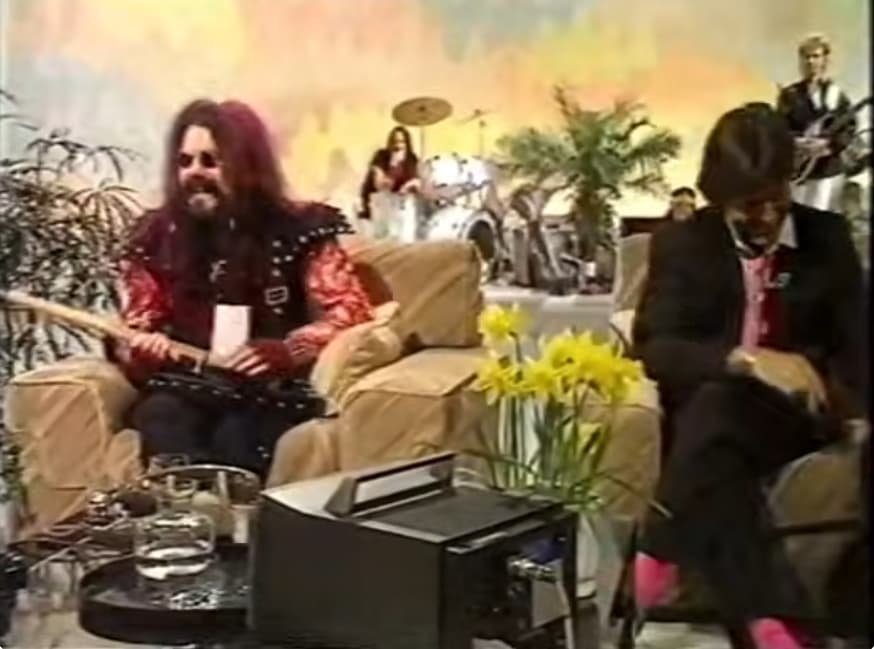
In the grand narrative of broadcasting history, certain dates stand as monumental pillars where the tides of culture shifted permanently. For the British music landscape, that definitive moment occurred in late 1967 when a brand new radio station emerged to capture the vibrant spirit of a generation. Fast forward to April 6, 1984, on Lulu’s popular television program The Time of Your Life, where a deeply emotional and nostalgic reunion brought that magical era back to the screen. Featuring the iconic Roy Wood and Carl Wayne of the Move, alongside stellar musicians Jon Camp and Kex Gorin, this rare BBC television broadcast serves as an invaluable holy grail for global music preservationists, celebrating the very first song ever played on BBC Radio 1.
The studio atmosphere of this 1984 special radiates immense warmth as legendary presenters Noel Edmonds and Tony Blackburn join former Radio 1 controller Robin Scott to reminisce about that nerve-racking, fantastic morning in 1967. Blackburn, who famously became the historical first voice to broadcast on the station, vividly recalled the incredible wave of excitement that swept through the country as national radio underwent its most significant evolutionary leap. Amidst playful banter about the transition from pirate radio ships to the BBC, where traditional producers surprisingly wore flower power gear while the ex-pirate DJs arrived in proper jackets and ties, Blackburn recreated history by proudly introducing the track that started it all: “Flowers in the Rain.”
To witness Wood and Wayne re-enact this psychedelic pop masterpiece on stage in 1984 is a profoundly moving experience, though a gentle wave of sadness now touches the footage as the global music community honors the memory of the late Wayne, Camp, and Gorin. The performance beautifully showcases Wood’s timeless songwriting craftsmanship, blending whimsical lyrics with an infectious melody that instantly transports classic rock seekers back to the summer of love. Beyond the music, the broadcast unearths a hilarious piece of rock lore from 1967, showing archival footage of the band explaining a notorious promotional postcard featuring a rude caricature of Prime Minister Harold Wilson, which had resulted in a high profile court ban and led the band to famously declare that they only voted for political figures like Frank Zappa.
Operating in a golden age completely free from modern digital tracking or over-engineered studio gimmicks, these veteran musicians relied entirely on raw natural talent and genuine showmanship to connect with their public. For generations of lifetime followers, discovering this brilliant television artifact brings a deep sense of comfort and historical pride. Ultimately, this magnificent 1984 BBC broadcast remains an indispensable triumph, ensuring that the legendary moment when the Move ignited a broadcasting revolution will live on forever in the hearts of music lovers worldwide.