
A Conversation in Time: Roy Wood and the Relentless Drive of a Musical Genius
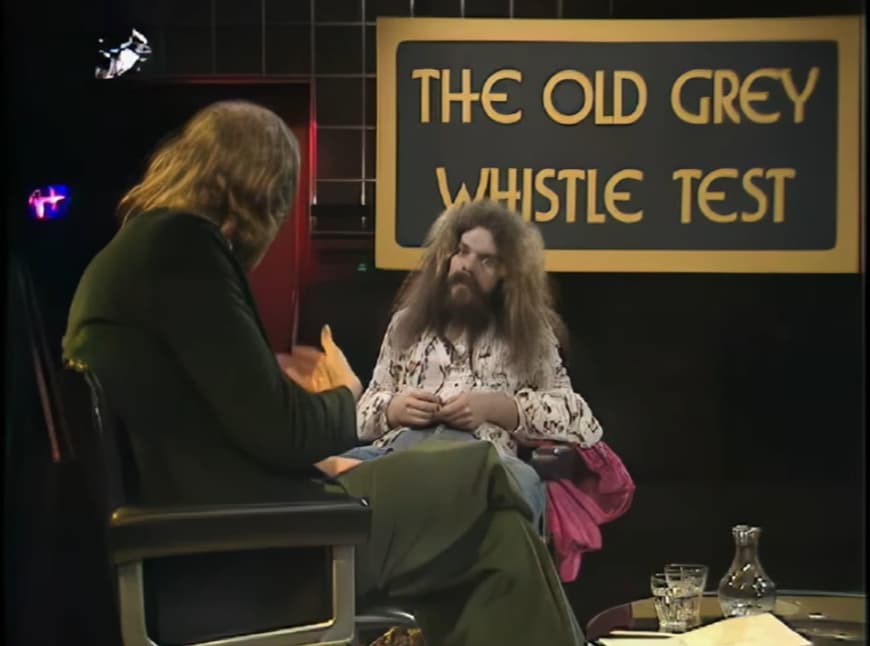
On the twenty fifth of April nineteen seventy five, British television audiences were treated to an exceptionally intimate conversation on The Old Grey Whistle Test. Sitting opposite the legendary Whispering Bob Harris, musical mastermind Roy Wood offered a rare window into the frantic, brilliant mind that shaped an entire generation of sound. This beautifully preserved interview serves as a poignant time capsule, capturing an artist at the absolute zenith of his creative powers while simultaneously shouldering the immense weight of his own massive success. The quiet studio setting allowed the usually flamboyant performer to speak softly about the true realities of his extraordinary journey.
Looking back with profound fondness, Wood vividly painted a picture of the early Birmingham music scene that birthed his legendary group The Move. He recalled the bustling energy of the local Cedar Club, a vibrant sanctuary where musicians from countless struggling acts would gather, jam, and share their grandest dreams every single night. The formation of his pioneering band was born out of a collective artistic frustration, a fierce rebellion against the soul crushing destiny of becoming mere human jukeboxes who only played popular covers. By daring to trust his own original compositions, Wood ignited a powerful musical revolution that forever altered the British cultural landscape.
Yet, absolute genius often demands a grueling toll, a reality the singer openly admitted while discussing the intense parallel paths of his solo career and his glamorous outfit Wizzard. Bound by staggering contractual obligations requiring four full length albums a year, he revealed how the crushing pressure of studio deadlines strangely fueled his creative fire. Rather than buckling under the massive workload, Wood eagerly pushed Wizzard into completely new, jazzier territories, incorporating rich saxophone arrangements to keep the artistic momentum flowing. It is deeply moving to hear a man confess that he functions best when his back is completely against the wall, pouring his entire soul into the vinyl.
Perhaps the most bittersweet revelation of the broadcast was his candid discussion about the sacrifices forced upon him by his relentless schedule. A passionate studio producer at heart, Wood confessed that he had to heartbreakingly walk away from lifelong ambitions to produce absolute icons of the industry. He turned down a golden opportunity to work with the brilliant Neil Sedaka, and he narrowly missed an incredible collaboration with the legendary vocal group The Ronettes. These missed connections add a layer of poignant drama to his story, highlighting the difficult choices required when maintaining a musical empire.
Despite these heavy sacrifices, the interview concluded on a soaring note of pure optimism as Wood looked toward the bright horizon of a massive American tour. The prospect of sharing monumental stadium stages with iconic giants like The Beach Boys and Chicago brought a genuine spark of excitement to his eyes. Today, watching this vintage broadcast offers older, devoted listeners a deeply emotional reflection on a golden era that vanished all too quickly. It remains a magnificent testament to a true sonic architect who sacrificed everything to ensure the world kept spinning to his magical, unforgettable rhythm.