
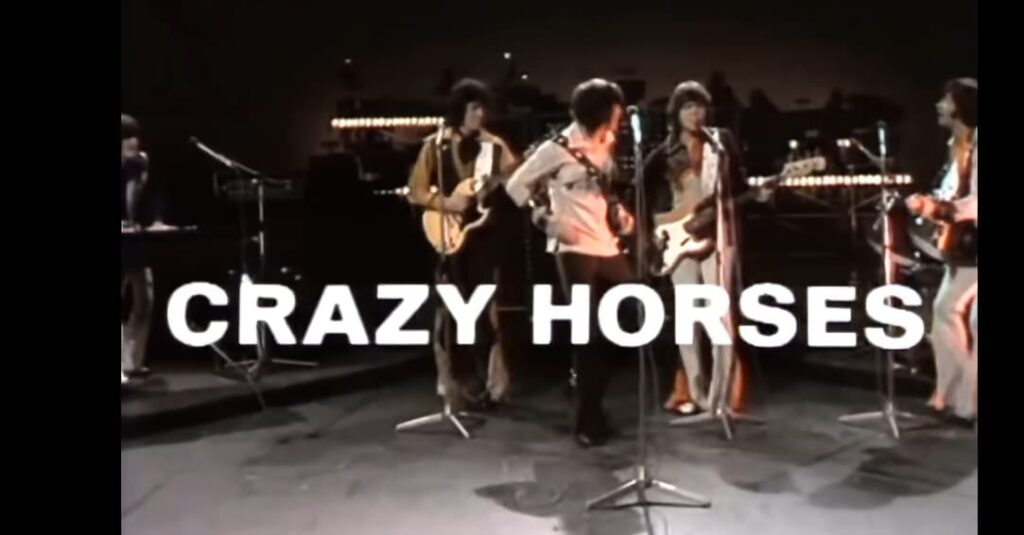
“Crazy Horses”: The Osmonds’ Unexpected Rock Explosion That Changed How Fans Saw Them
The performance of “Crazy Horses” by The Osmonds remains one of the most surprising turns in 1970s pop music history. Known at the time largely for their clean cut image and mainstream pop success, the group stunned many listeners by delivering a track that leaned far closer to hard rock than the polished teen pop sound they were associated with.
Released in 1972, “Crazy Horses” stood out immediately for its aggressive energy, distorted organ driven riff, and powerful vocal delivery. It was a clear departure from the softer commercial style that had previously defined much of their chart success. While the group had already achieved major popularity with songs like “One Bad Apple,” this track revealed a very different musical identity.
Fans and critics have often highlighted the strength of Merrill Osmond’s vocals in particular. His performance on “Crazy Horses” is widely regarded as one of the most powerful in the group’s catalog, carrying a raw intensity that matched the heavier production style of the song. This vocal strength is one of the reasons the track continues to be revisited by rock and oldies listeners today.
At the time of its release, the song performed well commercially in the United Kingdom and reached the top tier of the charts in several regions, but its long term impact has gone beyond chart positions. Many listeners now see it as a defining moment that proved The Osmonds were capable of far more than their teen idol image suggested.
Music fans often reflect on what could have happened if the group had fully committed to a rock direction. The instrumentation and vocal power displayed in “Crazy Horses” and later tracks such as “Down by the Lazy River” suggest a band with genuine potential to compete in the rock space of the 1970s. However, their career remained divided between pop success and occasional experimental rock influences.
Today, “Crazy Horses” is remembered not just as a song, but as a statement. It challenged expectations, broke the image of a safe family pop group, and showed that The Osmonds had a creative edge that many listeners did not anticipate. In the broader history of 1970s music, it remains a bold and unusual moment that continues to attract attention from both longtime fans and new listeners discovering the era.
 Oldies Songs