
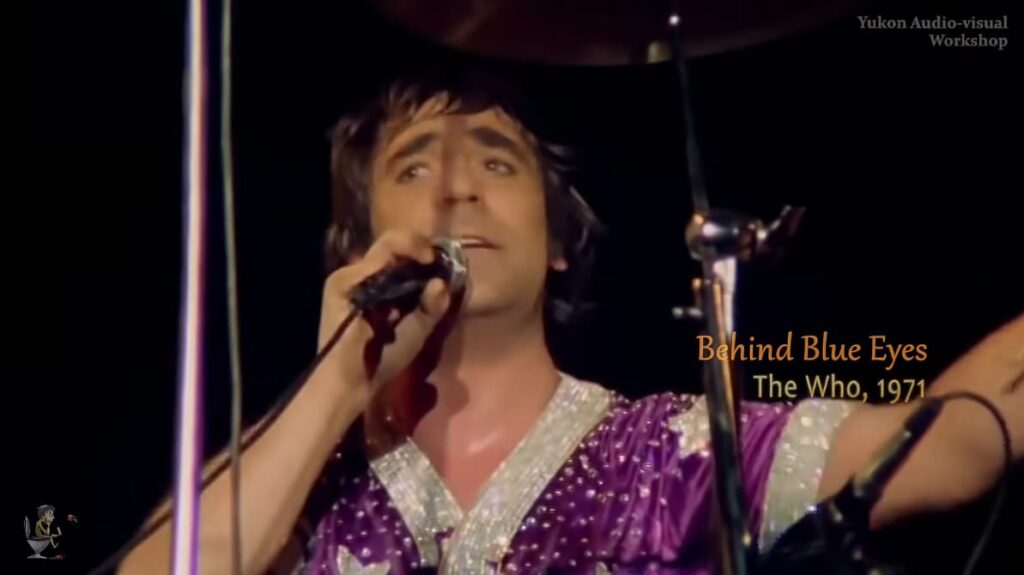
The Who’s 1971 Performance Still Resonates Across Generations of Music Fans
More than five decades after its release, “Behind Blue Eyes” by The Who continues to stand as one of the most emotionally respected songs of the classic rock era. Originally released in 1971 on the album Who’s Next, the track has once again sparked discussion among fans who believe the song represents a period when rock music combined artistic depth, strong musicianship, and cultural meaning.
The renewed attention surrounding the song reflects the lasting reputation of The Who as one of the defining bands of twentieth century rock music. Many longtime listeners describe “Behind Blue Eyes” as more than just a successful single. For them, it represents an era when music carried emotional honesty and powerful songwriting without relying on excessive production or commercial formulas.
Written by guitarist and songwriter Pete Townshend, the song begins quietly and introspectively before building into a heavier and more aggressive sound. That contrast became one of the defining characteristics of The Who’s music during the early 1970s. The performance also highlighted the emotional vocal delivery of Roger Daltrey, whose voice helped transform the song into one of the band’s most recognizable recordings.
The rhythm section of bassist John Entwistle and drummer Keith Moon added another important layer to the song’s impact. Moon’s energetic and unconventional drumming style became one of the most influential elements of The Who’s sound, helping distinguish the band from many of their contemporaries.
For many fans revisiting the 1971 performance, the conversation extends beyond nostalgia. The Who are often remembered not only for their music but also for their ability to combine strong live performances, ambitious songwriting, and social commentary. Throughout their career, the band explored themes of alienation, identity, youth culture, and emotional conflict in ways that connected deeply with audiences.
The continuing popularity of “Behind Blue Eyes” also reflects the broader admiration for classic rock from that era. Listeners frequently point to bands like The Who as examples of musicians who built lasting careers through creativity, instrumental skill, and originality. Their influence can still be heard in modern rock music today.
Although musical styles have changed dramatically since the early 1970s, “Behind Blue Eyes” remains an enduring example of how powerful songwriting and authentic performance can continue to resonate across generations. More than fifty years later, the song still carries the emotional weight and artistic identity that helped make The Who one of the most respected bands in rock history.