
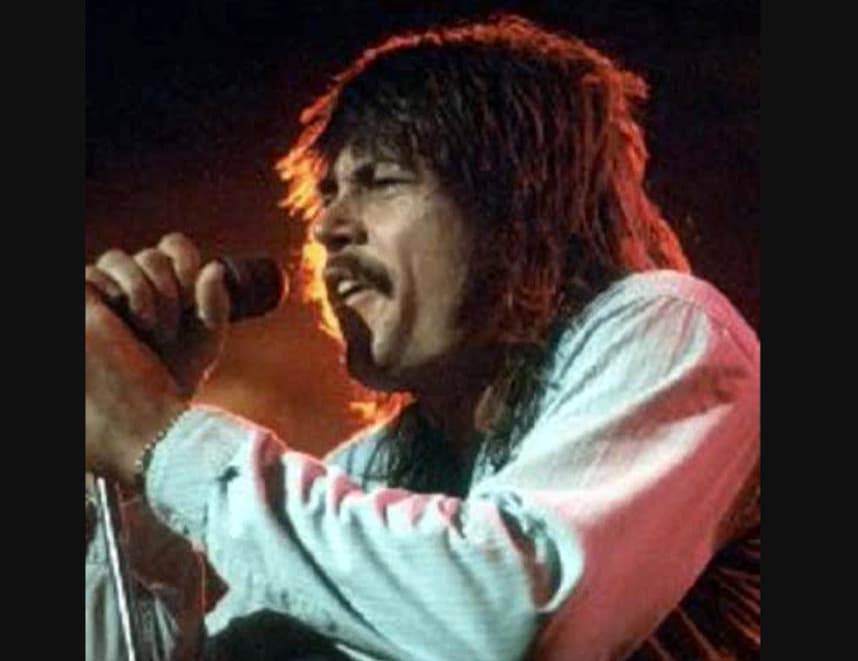
A Voice of the Southern Road Falls Silent but Never Fades: Remembering Danny Joe Brown
The legacy of Danny Joe Brown continues to resonate with striking intensity, even years after his passing in March 2005. As the founding frontman of Molly Hatchet, Brown helped define a sound that blended raw power with storytelling rooted in the American South. The tribute performance circulating today serves not only as a remembrance of a singular artist, but also as a window into an era when Southern rock stood at its most vital and uncompromising.
Brown’s voice was never polished in the conventional sense. It carried grit, urgency, and a lived experience that could not be manufactured. On stage, he projected a presence that felt immediate and authentic, forging a connection with audiences that went beyond performance. That quality is evident throughout the tribute, where each note seems to echo both strength and vulnerability.
The broader context of his life adds further depth to the performance. Brown had battled diabetes for years, a struggle that gradually affected his health while remaining largely invisible to fans focused on his commanding stage persona. This contrast between physical hardship and artistic vitality creates a powerful narrative thread. It reminds viewers that the energy witnessed in concert often exists alongside unseen challenges.
During the late 1970s, Molly Hatchet emerged as a defining force within Southern rock. Their music captured a sense of movement, freedom, and identity that resonated deeply with listeners. Brown’s contributions as both vocalist and co writer were central to that success. His interpretations gave emotional weight to songs that might otherwise have remained straightforward rock compositions.
In the context of the tribute, the songs take on an additional layer of meaning. Lyrics that once celebrated life on the road or personal struggle now feel reflective, even elegiac. The performance becomes more than a reproduction of past material. It transforms into a dialogue between past and present, where memory reshapes the listener’s experience.
There is also a strong current of nostalgia running through the piece. For longtime fans, it recalls a period when live music felt direct and unfiltered. For newer audiences, it offers an introduction to an artist whose influence extends beyond chart success. Brown’s work continues to inform how Southern rock is understood and appreciated.
Ultimately, this tribute underscores a simple truth. While Danny Joe Brown may no longer be present, the spirit he brought to music endures. His voice, marked by honesty and intensity, remains a lasting testament to the power of authenticity in rock.