
A Chaotic, Music Hall Rhapsody: The Absurd and Joyous Ode to English Eccentricity and the Simple Solace of a Hot Beverage.
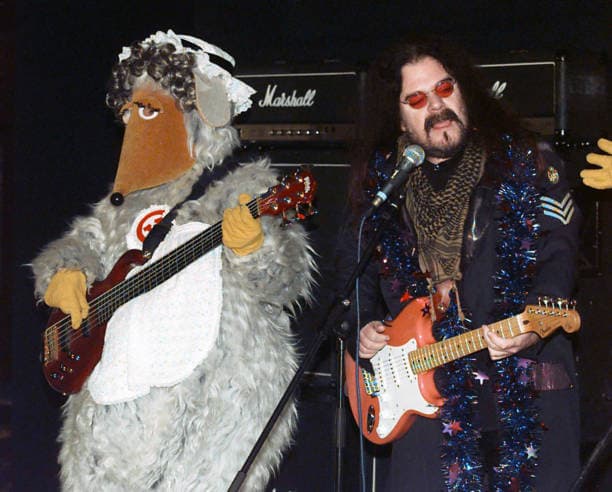
The year 1973 was a time of glorious, theatrical excess in British rock, and few figures embodied that joyful chaos better than Roy Wood. After co-founding both The Move and the baroque, orchestral sensation Electric Light Orchestra (ELO), Wood dramatically exited the latter to unleash his true, unbridled vision with Wizzard. Their debut album, 1973’s gloriously unhinged Wizzard Brew, was a dizzying, maximalist spectacle of Glam Rock meeting Phil Spector’s Wall of Sound, an album so bombastic and unpredictable that it seemed to redefine the very limits of rock music. And tucked amidst the roaring guitars and swirling saxophones was “Jolly Cup of Tea,” a track that perfectly captured Wood’s unique blend of musical genius and sheer, delightful English eccentricity.
Key Information: “Jolly Cup of Tea” was a deep cut from Wizzard’s debut album, Wizzard Brew, released in 1973. The album itself, a cult classic, was less commercially successful than their singles, peaking at No. 29 on the UK Albums Chart. The track itself was never released as a single and therefore holds no chart position. Its legacy is entirely rooted in its role as a perfect, theatrical piece of the Wizzard Brew tapestry—a sudden, dramatic moment of levity and absurd nostalgia amidst the surrounding sonic assault. This was music that dared to be both heavy rock and a throwback to the music hall era, simultaneously.
The story of “Jolly Cup of Tea” is intrinsically linked to Roy Wood’s grand, almost impossible ambition: to create music that sounded like a party, a circus, and a symphony simultaneously. While Wizzard’s massive hits—like “See My Baby Jive” and “Angel Fingers”—were chart-topping showcases of their Glam-pop brilliance, tracks like “Jolly Cup of Tea” allowed Wood to indulge his love for vintage British musical traditions. The song is an intentional anachronism, a dramatic pivot away from electric guitars and into the territory of tuba, banjo, and honky-tonk piano. This theatrical shift was Wood’s signature, a defiant refusal to be confined by genre. It speaks to a deep, dramatic commitment to making music that was genuinely fun, even if it alienated the serious rock critics of the day.
The meaning of the track is wonderfully, hilariously simple: it is an unironic, exuberant celebration of one of the great, stabilizing comforts of English life—the simple act of having a cup of tea. In a world of raging political unrest, dramatic glam fashion, and sonic overload, Wood found profound solace in the ritual of the kettle and the cozy, domesticity it represented. The lyrics are pure music hall whimsy: “A jolly cup of tea, it’s the drink for me / It sets me in the right mood, it does me good.” Yet, beneath the obvious humor, there is a powerful, universal message of finding joy in the small things, a necessary retreat from the excesses and pressures of the rock-and-roll circus.
For the older, well-informed reader who remembers the vibrant, glorious confusion of 1973, this song is a potent shot of nostalgia. It instantly evokes the flamboyant image of Roy Wood, his massive beard, wild face paint, and shocking costumes, yet juxtaposed with the gentlest, most unassuming sentiment. It is the perfect piece of Glam Rock drama: loud, ridiculous, theatrical, and yet, at its heart, deeply affectionate and uniquely British. “Jolly Cup of Tea” remains the eccentric, life-affirming break in the storm, a hidden moment of pure, unadulterated pleasure that defines the brilliant, playful genius of Wizzard.