
From “Spirit in the Sky” to “Video Killed the Radio Star”: Revisiting Every UK Number One of the 1970s
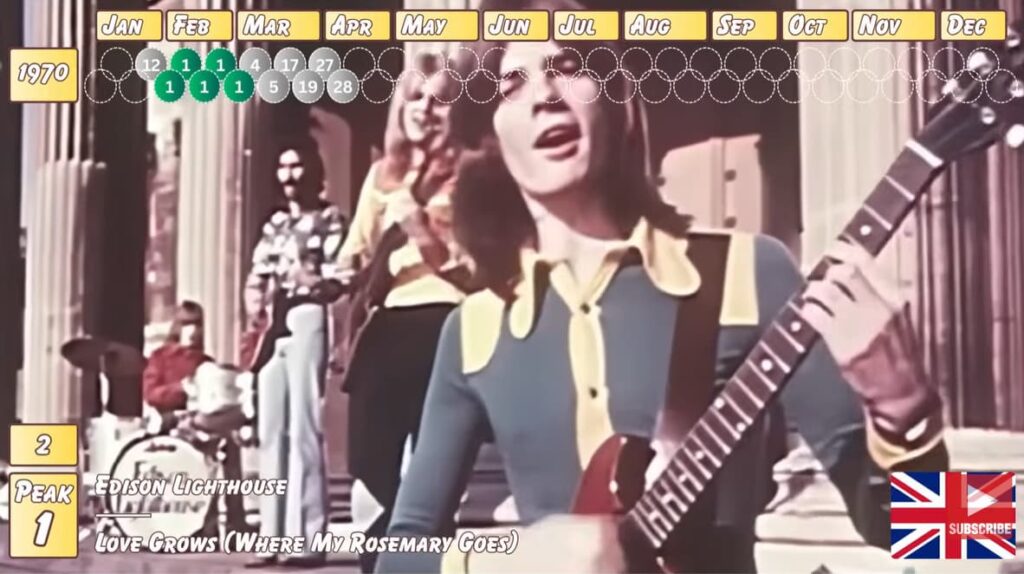
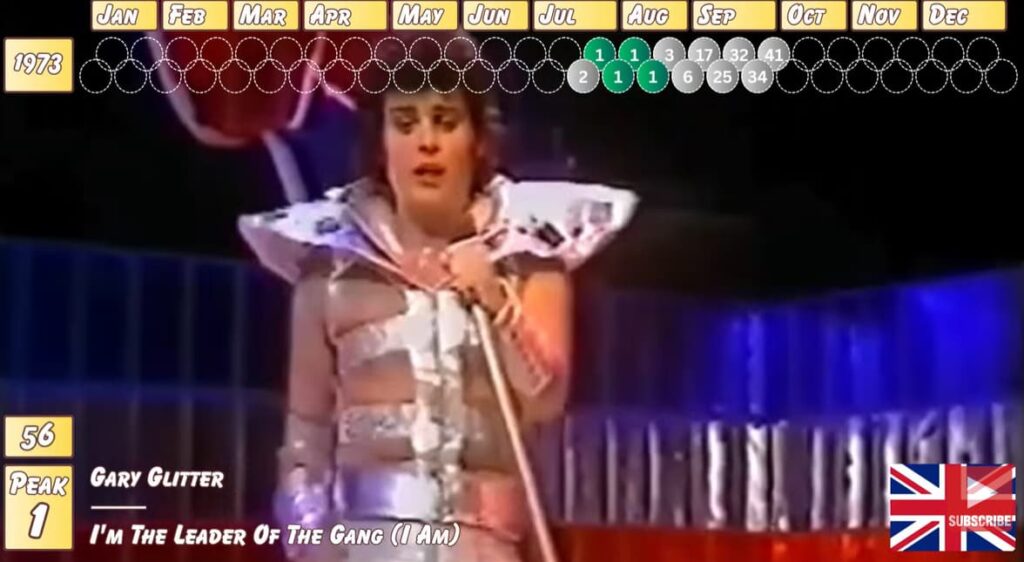
A recent Retrovault chart review has undertaken an ambitious archival journey through all 169 singles that reached number one on the UK Singles Chart during the 1970s. The program presents a rapid fire medley of excerpts, moving chronologically across a decade that reshaped British popular music in profound ways. Rather than focusing on a single performance, the video functions as a curated historical survey, reminding viewers how eclectic and commercially vibrant the era truly was.
The 1970s opened with songs that carried over the melodic sensibilities of the previous decade. Early chart toppers such as “Spirit in the Sky” by Norman Greenbaum, “Yellow River” by Christie, and “The Wonder of You” by Elvis Presley demonstrate the continued appetite for strong hooks and accessible arrangements. At the same time, novelty and storytelling records like “Ernie” by Benny Hill and “My Ding a Ling” by Chuck Berry reveal how humor and personality could capture the public imagination.
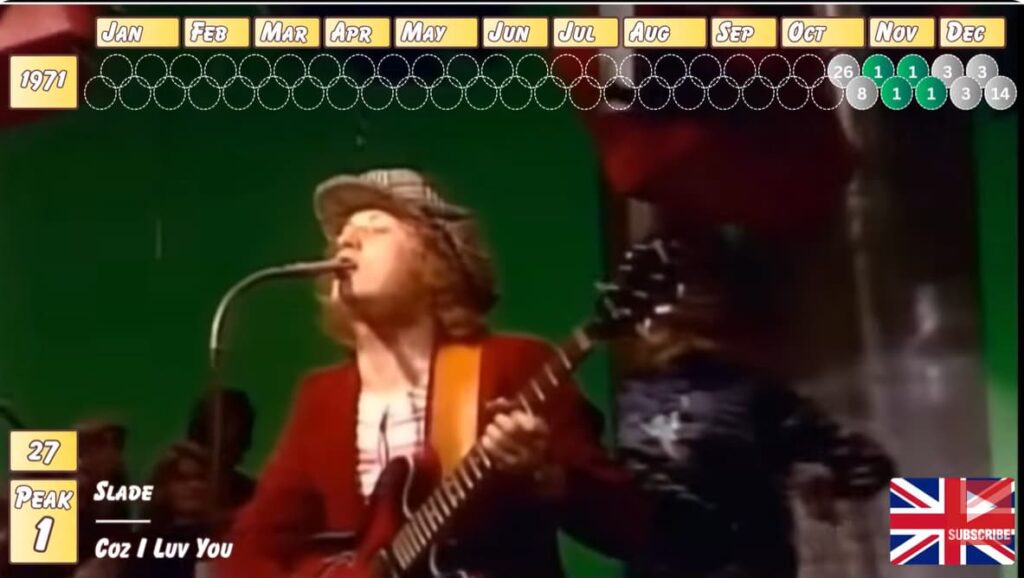
As the decade progressed, glam rock asserted a distinctly British flamboyance. “Cum On Feel the Noize” by Slade and “Tiger Feet” by Mud reflect a period when bold choruses and working class energy dominated the airwaves. In parallel, the singer songwriter movement and soft rock left a durable imprint through acts such as ABBA, whose “Knowing Me Knowing You” and “Take a Chance on Me” became cornerstones of late decade pop craftsmanship.
The mid to late 1970s also saw the rise of transatlantic influence and expanding genre diversity. “Seasons in the Sun” by Terry Jacks, “When a Child Is Born” by Johnny Mathis, and “Don’t Give Up on Us” by David Soul illustrate the emotional ballad tradition that thrived alongside disco and pop. Meanwhile, “YMCA” by Village People signaled the global mainstreaming of disco culture, while “Another Brick in the Wall Part 2” by Pink Floyd captured a more confrontational, concept driven strain of rock that still achieved mass appeal.
By the close of the decade, the chart had begun to anticipate the 1980s. “Video Killed the Radio Star” by The Buggles, which reached number one in 1979, stands as a symbolic turning point, forecasting the coming dominance of visual media and synth driven production.
The Retrovault compilation does not attempt deep analysis, but its value lies in juxtaposition. Hearing these hits in swift succession underscores the remarkable stylistic breadth of the 1970s UK chart, from novelty to prog rock, from glam to disco, from sentimental balladry to early new wave. Collectively, the 169 number ones form a commercially validated chronicle of changing tastes, technologies, and cultural moods. The decade’s singles were not merely chart statistics. They were markers of social memory, each briefly occupying the top position yet contributing enduring threads to the fabric of British pop history.