
A Song Written in Ruins That Outlived Its Maker
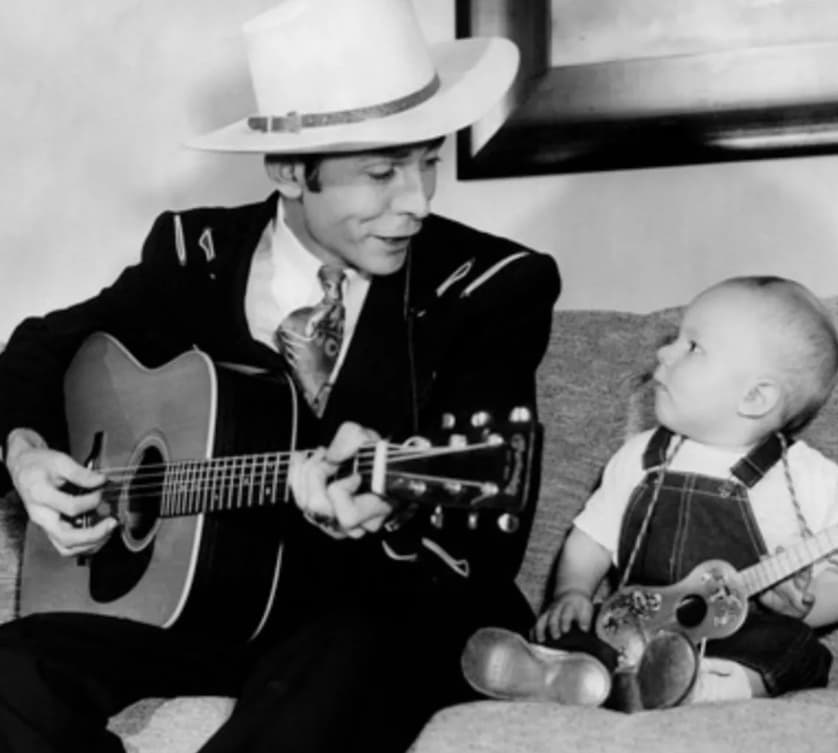
In a grainy performance that continues to circulate widely online, Hank Williams delivers You Win Again with a stillness that feels almost confrontational. There is no spectacle to lean on, no attempt to soften the edges. What remains is something far rarer: a moment where music and lived experience collapse into one.
The song itself, You Win Again, was recorded in 1952 under circumstances that have since become part of country music lore. Williams entered the studio just one day after his divorce from Audrey Williams, a timeline that reframes the recording as less of a composition and more of a confession captured in real time. Even the title carries the weight of surrender. Originally conceived as “I Lose Again,” it was changed at the last minute, shifting the focus from personal defeat to the quiet, devastating acknowledgment of another’s emotional power.
That context lingers over every live rendition. In performances associated with the Grand Ole Opry, Williams stands nearly motionless, his voice restrained yet fraying at the edges. There is no visible attempt to perform heartbreak. Instead, he allows it to exist, unfiltered, creating an atmosphere that feels closer to a private reckoning than a public show. The opening line, “The news is out,” lands not as storytelling but as admission, as if the audience has walked in on something they were never meant to hear.
What makes these recordings particularly compelling today is the alignment between narrative and reality. The song’s theme of returning to a love that repeatedly causes harm mirrors the turbulence of Williams’ own relationship history. This is not retrospective songwriting. It is a man articulating a pattern he has not yet escaped. That tension gives the performance a sense of incompleteness, as though the story continues long after the final note fades.
There is also an unavoidable sense of finality. Recorded in the last year of his life, You Win Again now carries the weight of hindsight. Audiences revisiting these performances are not only hearing a song about loss. They are witnessing an artist approaching the end of his own story, unaware of how little time remained.
Decades later, the song’s afterlife has only expanded. It has been revisited by generations of artists, each drawn to its stark honesty, yet few have matched the fragile immediacy of Williams’ original delivery. In an era defined by polish and production, this clip endures for the opposite reason. It offers no resolution, no comfort, and no performance in the traditional sense. Only the sound of a man losing, and knowing he will lose again.