
A Quiet Sunday That Changed Everything: When Johnny Cash Turned Silence Into Truth
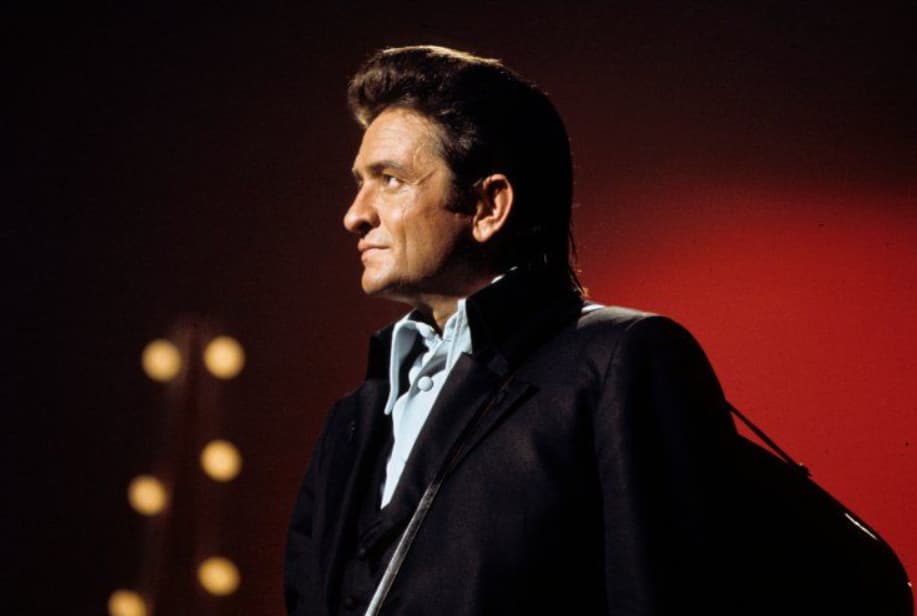
In an era defined by spectacle and rising television entertainment, one performance stood apart not because it was louder, but because it was quieter. When Johnny Cash stepped onto the stage of The Johnny Cash Show in 1970 to perform Sunday Morning Coming Down, he did not deliver a show in the traditional sense. He delivered something far more rare. He told the truth.
Written by Kris Kristofferson, the song had already carried a raw emotional weight. But in Cash’s hands, it transformed into a deeply personal reflection that resonated far beyond its lyrics. At a time when television performances often leaned toward polish and mass appeal, Cash chose restraint. There were no dramatic gestures, no elaborate staging, and no attempt to impress. Instead, he stood still, letting his voice carry the quiet heaviness of a man confronting his own emptiness.
What made this moment even more striking was the tension behind the scenes. Reports have long noted that certain lyrics were considered too sensitive for broadcast standards. Cash, however, refused to dilute the song’s message. By insisting on authenticity, he reinforced a defining trait of his career. He did not perform to please. He performed to be honest.
The impact of that decision was immediate and lasting. Viewers were not simply entertained. They were confronted with a feeling many recognized but rarely saw expressed so openly on national television. The song’s central idea, that Sunday can be the loneliest day of all, struck a universal chord. In a culture that often celebrated togetherness, Cash gave a voice to isolation.
There is also a deeper layer that continues to draw audiences back to this performance. Cash was not interpreting a character. He was reflecting parts of his own life. His struggles, his past, and his moments of doubt gave the song a credibility that could not be replicated. This connection between artist and material elevated the performance from a musical moment into something closer to a confession.
More than five decades later, the clip continues to circulate widely online, not because it fits modern trends, but because it transcends them. In a digital age driven by speed and distraction, this performance asks viewers to slow down and feel. That may be its greatest strength.
It was never about the stage, the lights, or even the song alone. It was about a moment when everything unnecessary fell away, leaving only a voice and a truth that refused to be ignored.