
From Pop Stardom to Classical Roots A Deeper Look at Neil Sedaka’s Musical Range
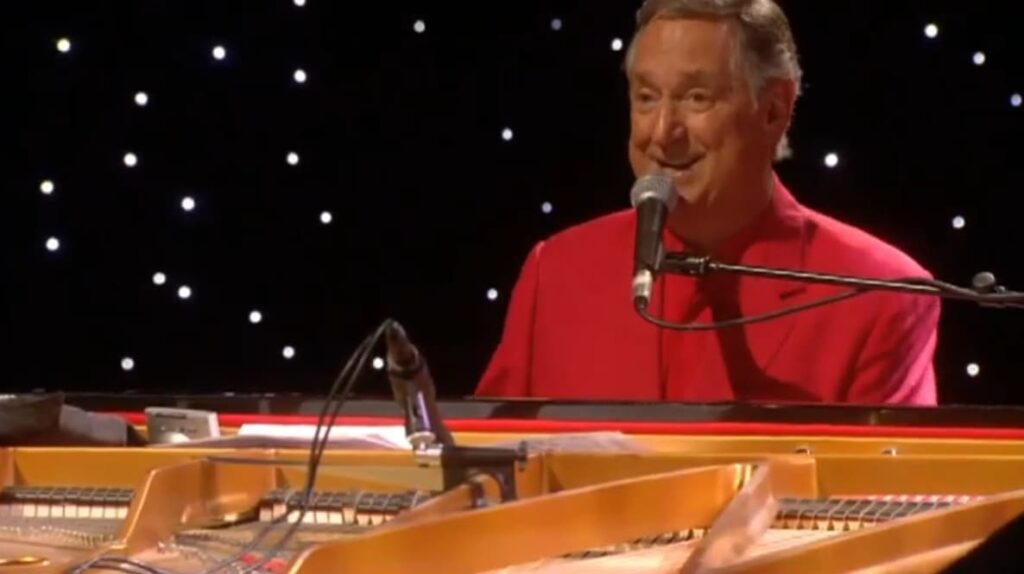
A recently circulated television clip featuring Neil Sedaka performing alongside Captain and Tennille on Love Will Keep Us Together has drawn renewed attention from music audiences online. The recording has sparked discussion not only about the familiar pop classic but also about Sedaka’s broader musical abilities beyond his well known chart success.
In the clip, Sedaka appears in a collaborative performance setting that highlights his role in shaping the pop sound of his era. While Love Will Keep Us Together is often associated with Captain and Tennille, viewers have been revisiting appearances that place Sedaka within the wider creative environment of the song’s time. The resurfaced footage has encouraged audiences to reflect on how interconnected many artists of that period were in both performance and production.
Commentary surrounding the clip has expanded beyond nostalgia for pop music. Some viewers have shared surprise at discovering Sedaka’s background in classical training. Although he is widely recognized for his success in popular music, Sedaka also studied at the Juilliard School of Music, where he developed formal piano skills that influenced his songwriting style. This detail has led many to reassess his artistic range, particularly those who were first introduced to his music later in life or outside the United States.
Online reactions also show a strong personal connection to Sedaka’s work across generations. Some listeners recall hearing his songs during childhood, even without fully understanding the lyrics at the time, while others express appreciation for his ability to bridge classical technique with accessible pop composition. These reflections highlight the long lasting emotional reach of his music rather than focusing on any single performance moment.
There is also a recurring theme of gratitude in audience responses, with many acknowledging the enduring presence of his catalog in popular culture. His influence extends across decades, with songs that continue to appear in radio rotations, television features, and personal playlists around the world.
The resurfaced clip serves as a reminder of how television archives can reshape modern understanding of established artists. In the case of Neil Sedaka, it reinforces a career defined not only by commercial success but also by technical skill and musical versatility.