
A Rare Glimpse of Glam Rock at Full Force: Revisiting Gary Glitter’s 1975 Television Performance
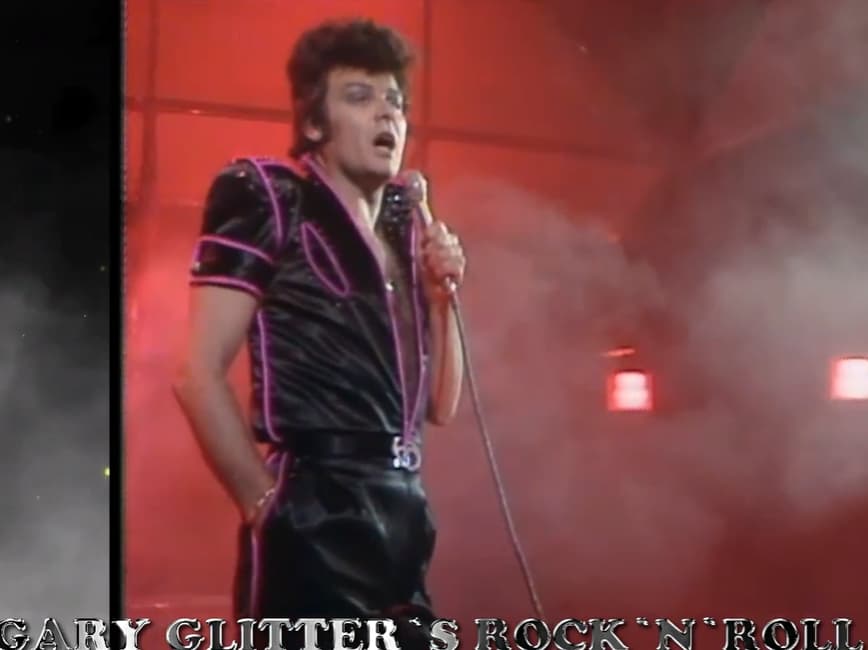
A recently circulated archival clip featuring Gary Glitter performing “Satan’s Daughter” has drawn renewed attention among fans of 1970s pop television. The footage, sourced from the British program Supersonic and dated October 23, 1975, offers a rare high quality look at a period when glam rock was still a dominant force in the UK music scene.
The performance captures Gary Glitter at a time when his stage persona was fully formed. Known for his flamboyant image and commanding presence, he delivers the song with a mix of theatrical intensity and vocal control that reflects the broader aesthetic of glam rock. The genre, which emphasized visual style as much as musical impact, found one of its most recognizable figures in Glitter during this era.
“Satan’s Daughter” itself stands apart from some of his more commercially recognized material. The track leans into darker tonal elements while maintaining the rhythmic drive associated with his catalog. In the televised performance, this contrast is reinforced through staging and delivery, creating a presentation that feels both stylized and forceful. Viewers revisiting the clip often note how the performance evokes parallels with other theatrical rock productions of the time, including the stage and film phenomenon The Rocky Horror Show.
Online responses to the resurfaced video reflect a mix of admiration and complexity. Many viewers focus on the technical and performative aspects, describing the clip as a powerful example of live television music production in the 1970s. The clarity of the footage, reportedly derived from master tapes, adds to its appeal, allowing audiences to observe details that were often lost in lower quality recordings from the period.
At the same time, discussions surrounding Gary Glitter as an artist remain layered. While some commenters emphasize his influence and charisma during his peak years, others acknowledge the broader context of his later life and career decline. This dual perspective shapes how modern audiences engage with archival material, balancing recognition of artistic output with awareness of personal history.
Despite these complexities, the clip functions as a valuable historical document. It provides insight into how televised performances were staged during a formative period for popular music broadcasting. Programs like Supersonic played a key role in bringing artists into living rooms, helping to shape public perception and expand fan bases beyond live venues.
Ultimately, this rare recording underscores the enduring fascination with glam rock’s visual and musical identity. Decades after its original broadcast, the performance continues to circulate not simply as nostalgia, but as a point of reference for how style, sound, and personality converged on screen during one of rock music’s most visually distinctive eras.