
When Music Outlives the Man
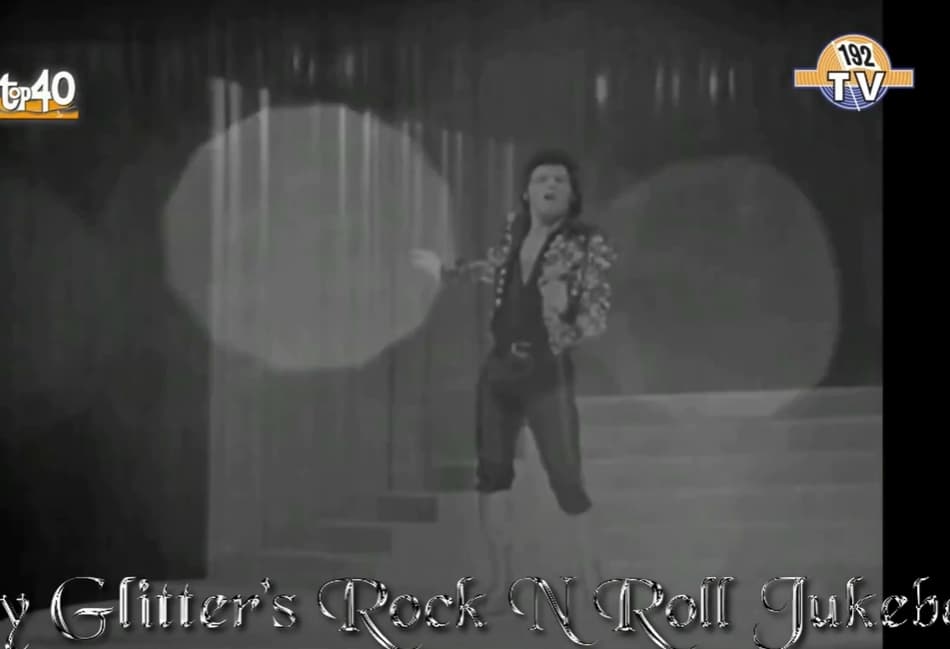
A recently resurfaced 1972 performance clip of Gary Glitter singing “I Didn’t Know I Loved You Till I Saw You Rock and Roll” has reignited discussion about one of glam rock’s most controversial yet musically impactful figures. The footage, described by viewers as rare, captures a moment when Glitter stood at the height of his fame, commanding the stage with a distinctive blend of theatricality, rhythm, and raw audience energy.
The clip reflects the essence of early 1970s glam rock, a period defined by bold fashion, exaggerated performance styles, and anthemic songwriting. Glitter’s delivery in the performance is energetic and direct, supported by driving beats and crowd engagement that were hallmarks of his live shows. Audience reactions described in recollections from similar concerts speak of chaotic enthusiasm, with fans dancing on seats and transforming venues into something closer to communal celebrations than traditional performances.
Musically, the song itself is often cited as a strong example of the songwriting partnership between Glitter and Mike Leander. Together, they crafted tracks that relied on simple but effective structures, memorable hooks, and a percussive sound that became synonymous with the glam era. Even critics of Glitter as a person have acknowledged the enduring quality of these compositions, which continue to resonate decades later.
The resurfacing of such footage inevitably brings a complex tension. On one hand, there is a clear appreciation for the music and the cultural moment it represents. On the other, there is widespread awareness of Glitter’s later criminal convictions, which have significantly shaped his legacy. Many viewers express a separation between the art and the individual, emphasizing the importance of acknowledging historical context while not ignoring factual realities.
Comments surrounding the clip often reflect nostalgia for the era itself rather than the individual performer. References to fashion trends like feathered hair, flamboyant shirts, and wide trousers highlight how deeply the glam rock movement influenced youth culture at the time. For some, the music serves as a time capsule, evoking personal memories and a broader sense of cultural identity tied to the early 1970s.
Ultimately, the clip stands as a document of a specific musical moment. It offers insight into the energy of live performance during glam rock’s peak and the songwriting that helped define it. While opinions on the artist remain divided, the recording underscores a broader truth often echoed by listeners. Music, once created, can take on a life of its own, continuing to be heard, discussed, and reassessed long after its origins.