
The Other Lives Lost on March 5, 1963: Jean Shepard’s Powerful Reflection on a Tragedy That Changed Country Music
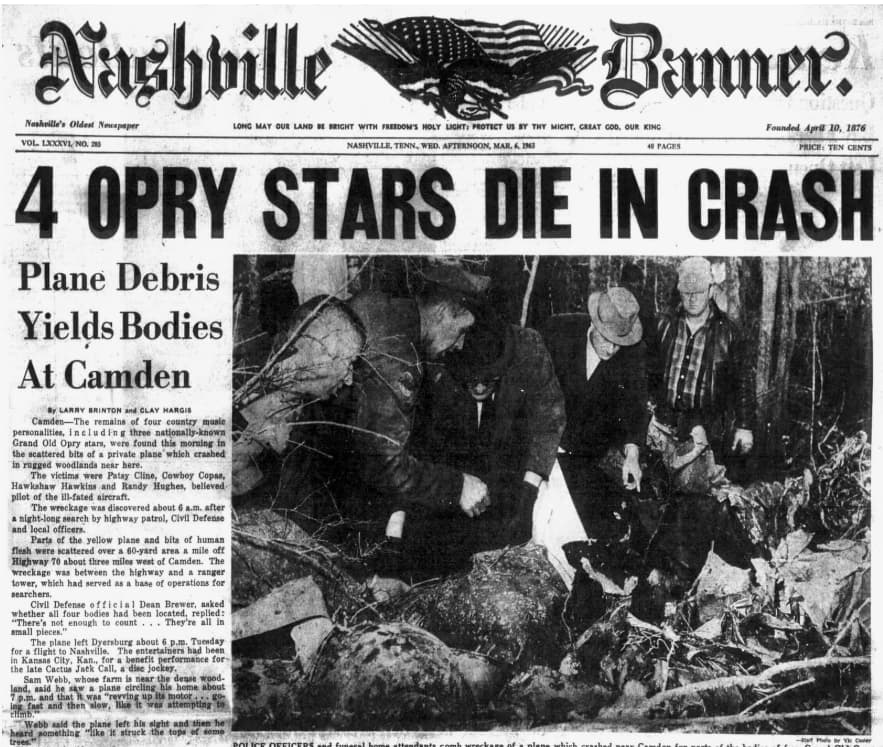
For generations of country music fans, the tragic plane crash of March 5, 1963 has been remembered primarily as the day that Patsy Cline lost her life. Her extraordinary voice and lasting influence have kept her story alive for decades. Yet in a moving interview, Jean Shepard offered an important reminder that the tragedy claimed more than one remarkable life.
Jean Shepard, herself one of the most respected figures in country music, spoke with honesty about how history has often focused almost entirely on Patsy Cline while overlooking the three other people who died in the same crash. Among them was her husband, Hawkshaw Hawkins, an accomplished Grand Ole Opry performer whose career was reaching new heights. Also killed were Cowboy Copas, another beloved country star, and pilot Randy Hughes.
Shepard never questioned Patsy Cline’s importance or legacy. Instead, she believed that every life lost that day deserved to be remembered with equal dignity and respect. Her comments continue to resonate with many listeners who admit they once believed only Patsy Cline and the pilot had been aboard the aircraft. Learning that three accomplished members of the country music community also perished has led many fans to reconsider how the tragedy is remembered.
The timing made the loss even more heartbreaking. Just days before the accident, Hawkshaw Hawkins had released “Lonesome 7 7203,” a recording that would soon become the first number one hit of his career. He never lived to witness its success, adding another layer of sadness to one of the darkest weeks in country music history.
The sorrow did not end there. Only a few days after the crash, Jack Anglin was killed in an automobile accident while traveling to attend Patsy Cline’s funeral. Those devastating events left the Grand Ole Opry community mourning multiple losses within a single week, making March 1963 one of the most painful chapters in its history.
Jean Shepard’s interview remains powerful because it is not driven by resentment. It is a heartfelt appeal for historical fairness and remembrance. Her message is simple yet profound. Great stars deserve to be celebrated, but every person whose life was taken in a tragedy deserves to be remembered.
More than sixty years later, her words continue to encourage country music fans to honor all four victims of the crash. Their contributions helped shape the genre, and their memories remain an important part of the story of country music.