
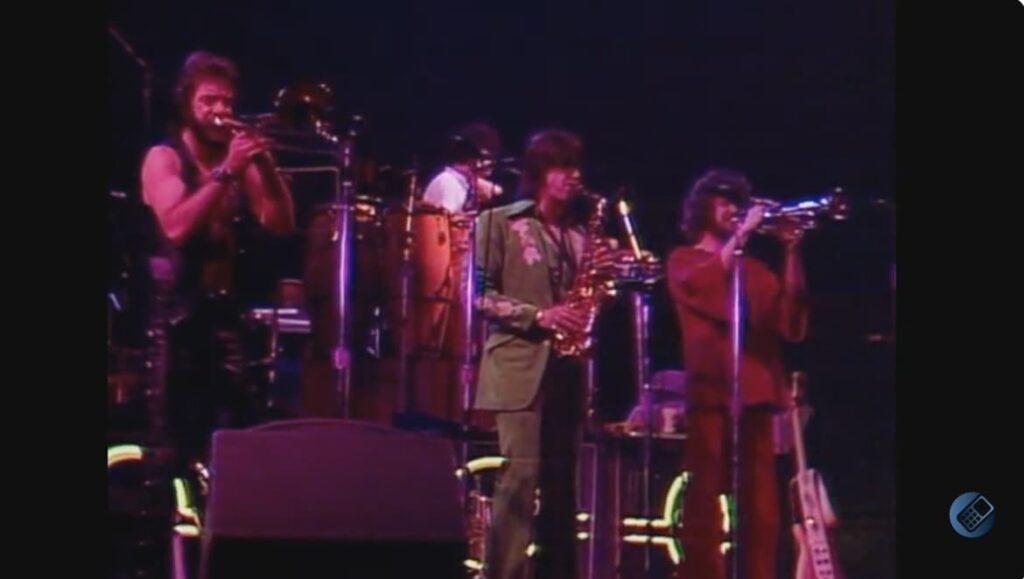
A Song Reborn on a European Stage: Chicago’s “Beginnings” Shines at Rockpalast 1977
On a December evening in 1977, a performance at Grugahalle captured a defining moment in the evolution of Chicago. Broadcast across Europe by Westdeutscher Rundfunk as part of the influential Rockpalast series, the concert presented a band at the height of its musical sophistication. Among the highlights was “Beginnings,” a composition that revealed how far both the song and the group had come since their early days.
Originally introduced on the band’s debut album, “Beginnings” carried a distinctive blend of jazz, rock, and Latin influences. By 1977, it had transformed into a more expansive live experience, shaped by years of touring and reinterpretation. In this performance, the song unfolds with a sense of confidence and control, gradually building toward an extended rhythmic section that invites the audience into a shared musical space. What was once a studio track becomes something more dynamic, almost communal in its effect.
At the center of the performance is Robert Lamm, whose dual role as songwriter and lead vocalist provides both structure and emotional direction. His delivery is measured and focused, allowing the composition itself to take precedence. There is no excess in his approach, only a clear commitment to the integrity of the music.
A defining element of Chicago’s identity is its horn section, which plays a crucial role in shaping the sound of “Beginnings.” The brass arrangements add depth and texture, creating a layered sonic environment that sets the band apart from traditional rock ensembles. In the live setting, these elements gain additional power, interacting seamlessly with the rhythm section to produce a rich and immersive experience.
The European audience contributes its own character to the performance. Unlike the more overtly expressive crowds often associated with American concerts, the listeners here appear attentive and engaged in a quieter, more concentrated way. This dynamic enhances the performance, allowing the nuances of the arrangement to come through with clarity.
The historical context adds further significance. By the late 1970s, Chicago had begun exploring a more accessible sound, moving gradually toward mainstream pop. Yet “Beginnings” remains firmly rooted in their earlier identity, creating a compelling contrast within the set. It serves as a reminder of the band’s origins while demonstrating their capacity for growth.
Today, the Rockpalast recording stands as a valuable document of a band in transition, balancing past and future within a single performance. It raises an enduring question for listeners and critics alike. Does evolution enhance a band’s legacy, or does it risk distancing them from what made them distinctive. In this moment, Chicago offers a persuasive answer, showing that transformation, when grounded in musical integrity, can deepen rather than diminish artistic impact.