
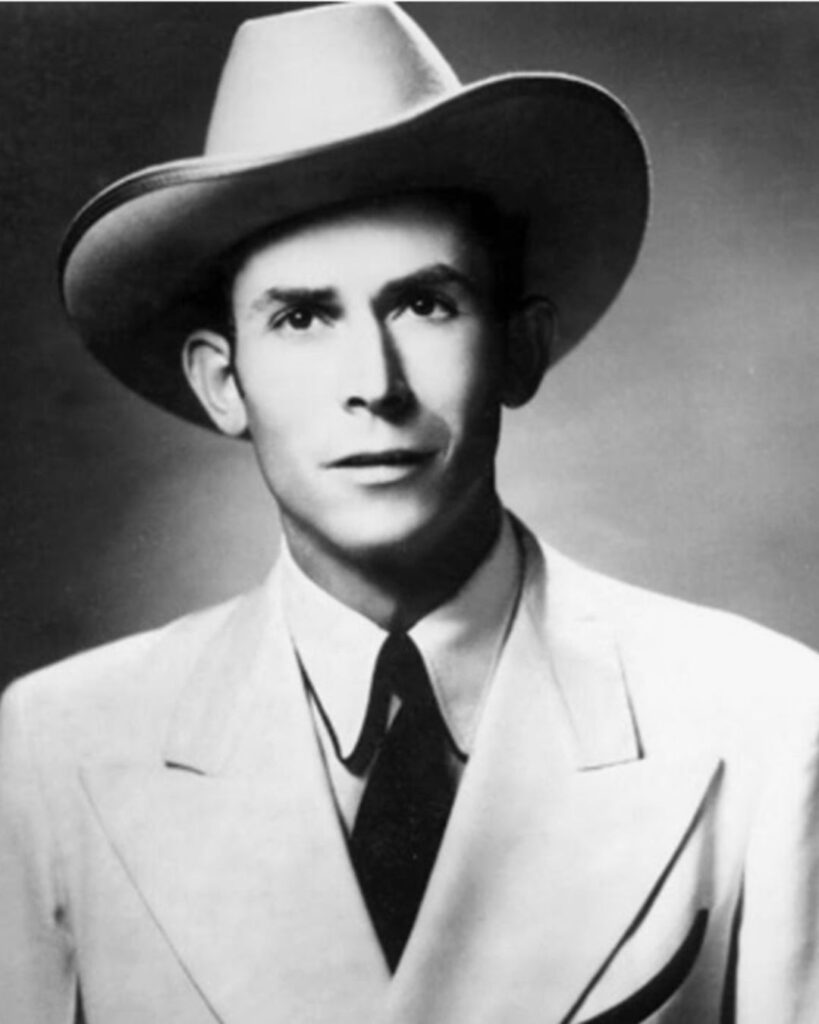
From a Passing Glimpse to a Lasting Light: The Story Behind a Timeless Hank Williams Recording
Few songs in American music history carry the quiet weight and enduring presence of I Saw the Light. Performed and recorded by Hank Williams in the late 1940s, the track has long outgrown its origins to become a defining piece of country and gospel tradition. What began as a simple idea has since evolved into a lasting symbol of hope, belief, and emotional honesty.
The inspiration behind the song is remarkably unassuming. A casual remark from Williams’ mother about seeing the lights of a distant town sparked a phrase that would later take on a much deeper meaning. In Williams’ hands, it transformed into a declaration of spiritual awakening, expressing the moment someone moves from darkness into clarity. That contrast between an ordinary beginning and a profound message gives the song a unique emotional foundation.
Unlike modern performances tied to elaborate stages or visual storytelling, this recording exists in a far more intimate space. It was created in a studio setting, free from the influence of a live audience. Yet, paradoxically, it would go on to live most vividly through radio broadcasts and stage performances across the country. Programs such as the Louisiana Hayride played a key role in bringing the song into homes, allowing listeners to connect with it on a deeply personal level.
What makes this piece particularly compelling is the tension between its message and the life of the artist himself. The lyrics speak of redemption and the end of darkness, but Williams’ personal struggles suggest a far more complicated reality. This contrast does not weaken the song. Instead, it deepens its impact. Listeners are not simply hearing a message of salvation. They are hearing a man reaching toward it, perhaps not fully certain he has arrived.
Over time, the song became a recurring presence at the close of Williams’ performances, reinforcing its symbolic role as both an ending and a beginning. It offered audiences a sense of closure while also pointing toward something beyond the moment. That dual meaning continues to resonate today.
Decades later, “I Saw the Light” remains powerful not because of changing trends or reinterpretations, but because of its sincerity. It reflects a time when music relied on emotional truth rather than production. In its simplicity lies its strength. It does not demand belief. It simply offers a glimpse of light, and allows each listener to decide what that light means.