
A Night the Bayou Sang Through Nashville: Hank Williams and the Sound That Refused to Fade
A restored live recording of Jambalaya (On the Bayou) performed by Hank Williams at the Grand Ole Opry continues to draw renewed attention online, offering listeners a rare glimpse into the emotional pulse of early country music as it once lived on stage and radio.
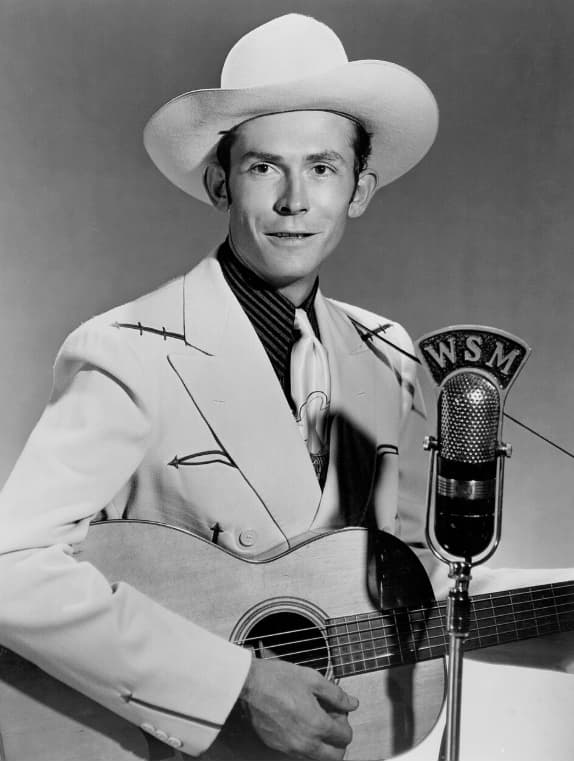
The clip, circulating widely on YouTube, is not a modern video recording in the contemporary sense. Instead, it is a carefully preserved performance reconstructed from archival audio and historical stage material. Yet despite the absence of modern visuals, the atmosphere it captures feels remarkably immediate. The sound places listeners inside the Ryman Auditorium in Nashville during the early 1950s, when live radio broadcasts defined the relationship between performer and audience.
What makes this particular performance stand out is its contrast. Jambalaya carries a bright, rhythmic energy inspired by Louisiana’s Cajun culture, evoking food, dance, and the easy flow of life along the bayou. Against this backdrop, Hank Williams delivers the song with a natural ease that feels almost spontaneous, as if he is not performing for a crowd but sharing a moment with them.
Behind the music lies a deeper historical layer. This period marked one of the final chapters of Williams’ appearances at the Grand Ole Opry. Though he had become one of its most recognizable voices, tensions between his personal struggles and professional expectations were growing. Within a short time, he would be removed from the Opry lineup, making recordings like this unintentionally symbolic of an ending era.
Listeners today often respond less to technical perfection and more to the feeling embedded in the performance. The slight imperfections in the recording, the presence of audience reaction, and the raw delivery all contribute to a sense of authenticity rarely found in modern productions. It feels less like a polished product and more like a living memory preserved in sound.
There is also a subtle emotional contrast that gives the clip lasting appeal. The song itself is joyful and rooted in celebration, yet the broader context of Hank Williams’ life at the time carries a quiet sense of fragility. That duality between sound and circumstance is what continues to resonate with audiences decades later.
As digital platforms introduce new generations to this performance, it is no longer just a historical recording. It becomes a shared listening space where past and present meet, and where a single voice from Nashville once again carries the spirit of Louisiana’s bayou into the modern world.