
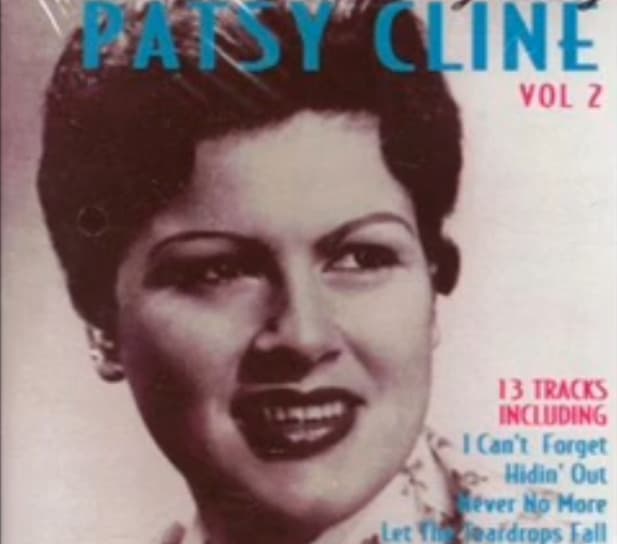
Why Patsy Cline Still Stands Above Generations of Country Singers
A resurfaced clip of Patsy Cline performing Bill Bailey, Won’t You Please Come Home is once again reminding audiences why she remains one of the most respected and beloved voices in country music history.
The performance, widely shared among classic country fans online, has sparked emotional reactions from listeners who continue to admire the warmth, control, and unmistakable character of Cline’s voice. Many viewers describe the clip as another example of how she could take a familiar song and transform it into something uniquely her own.
Originally written in the early twentieth century, Bill Bailey, Won’t You Please Come Home had already been recorded by numerous artists before Patsy Cline performed it. Yet fans often point out that her interpretation carried a distinct emotional quality that separated her from many singers of her era. Her phrasing, vocal tone, and natural delivery gave even well known standards a fresh identity.
One listener responding to the clip called her “the true Queen of country music,” while another reflected on the tragedy of her early death, writing that she “left us far too soon.” Those reactions continue to follow nearly every major discussion surrounding Patsy Cline’s career.
Cline died in a plane crash on March 5, 1963, at just 30 years old. Despite her relatively short career, she left behind a catalog that permanently shaped the future of country music. Songs such as Crazy, I Fall to Pieces, and Walkin’ After Midnight remain among the most influential recordings ever produced in the genre.
Fans also continue to praise her authenticity. In discussions surrounding the clip, some listeners contrasted Cline’s style with aspects of modern music production, arguing that her performances relied entirely on vocal ability, emotional honesty, and interpretation rather than image or studio enhancement. While opinions about contemporary music vary widely, many longtime country listeners see Patsy Cline as representing a period when vocal storytelling stood at the center of the genre.
The emotional connection to her music also extends beyond entertainment. Some fans say her recordings remind them of family roots, older American traditions, and regional identity, particularly in areas connected to Appalachian and Southern musical culture, including her home state of Virginia.
More than sixty years after her death, Patsy Cline’s music continues to reach new audiences through archival clips and online sharing. For many listeners, performances like Bill Bailey, Won’t You Please Come Home serve as proof that truly distinctive voices never disappear. They simply continue finding new generations ready to listen.