
Beyond the Boogie Formula: Reassessing a Lesser Known Status Quo Track
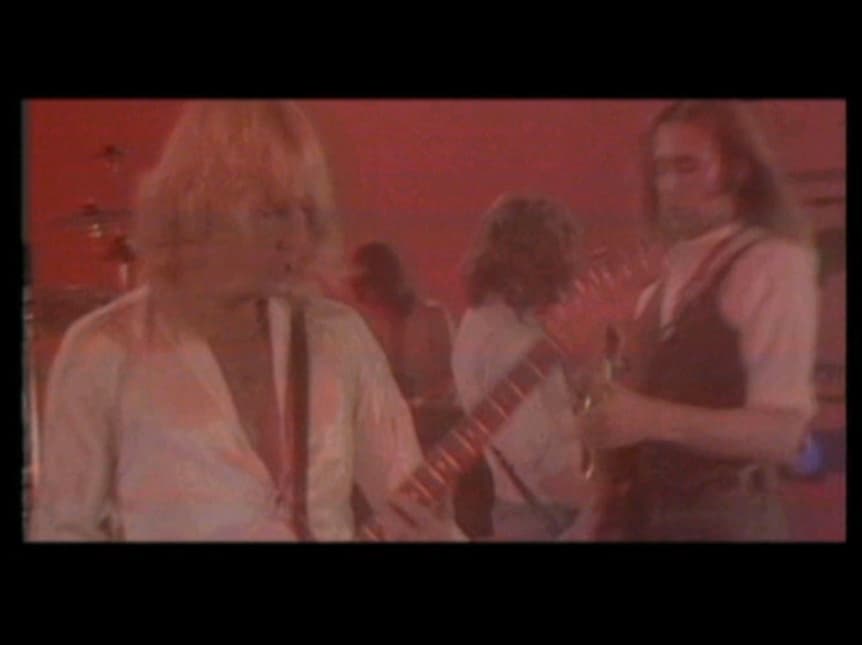
A circulating live clip of “Don’t Stop Me Now” by Status Quo has sparked renewed discussion among listeners who argue that the song deserves greater recognition within the band’s extensive catalog. Despite sharing a title with a far more widely known track by Queen, this composition stands as a distinct and separate work, rooted firmly in the driving, guitar led identity that defined Status Quo during their peak years.
The performance highlights a faster tempo and a more aggressive rhythmic structure than the band’s more familiar boogie oriented hits. This shift in energy is one of the key reasons the track continues to attract attention among dedicated fans. Rather than relying on the repetitive groove that became synonymous with the group’s commercial success, “Don’t Stop Me Now” leans toward a harder rock approach, offering a different perspective on the band’s musical range.
Much of the renewed appreciation centers on the contribution of Alan Lancaster, whose role as a songwriter and creative force is often described as under acknowledged. Some listeners argue that Lancaster’s influence brought a heavier and more direct edge to the band’s sound, contrasting with the more consistent boogie style associated with Francis Rossi and Rick Parfitt. This internal dynamic has become a recurring topic of debate, with fans divided over which direction best represents the band’s artistic peak.
Another point of discussion is the track’s relative absence from major compilation releases. While Status Quo has produced numerous greatest hits collections over the decades, “Don’t Stop Me Now” is often missing from these summaries. For some, this omission raises questions about how the band’s legacy has been curated and whether certain stylistic variations have been overlooked in favor of more commercially proven material.
The clip itself reinforces the argument that the song holds its own within the band’s live repertoire. The tight coordination between rhythm and lead guitar, combined with a driving bass line, creates a performance that feels immediate and forceful. It also demonstrates the band’s ability to move beyond formula when the material demands it.
In the broader context of rock history, moments like this invite a reassessment of how bands are remembered. Status Quo is frequently associated with a specific sound, yet recordings such as this suggest a more nuanced identity. For listeners willing to explore beyond the standard playlists, “Don’t Stop Me Now” offers a compelling case for revisiting the depth of a catalog that still has more to reveal.