
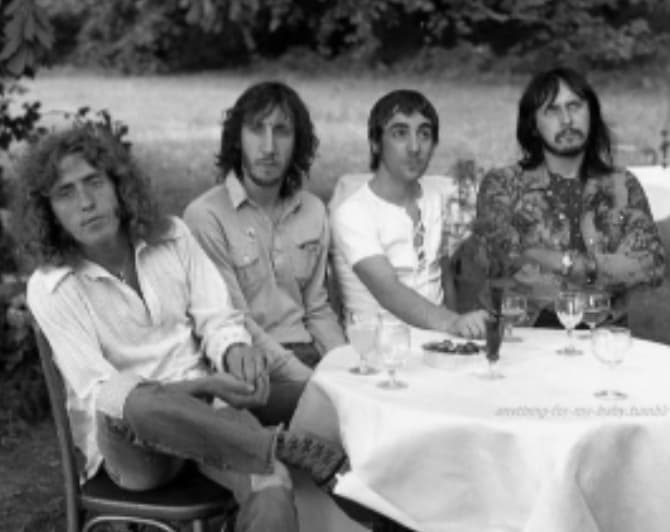
When The Who Turned A Final Track Into A Lifelong Emotional Experience
A Deep Look Back At The Song That Defined The End Of Lifehouse
In 1971, The Who released one of the most emotionally expansive and conceptually rich tracks of their career, The Song Is Over. Originally intended as part of Pete Townshend’s ambitious Lifehouse project, the song was designed to serve as the final moment of a planned movie experience, closing the narrative as the character Bobby and the surrounding crowd disappear, followed by a reflective end sequence.
The track stands out for its layered structure and reflective tone, blending orchestral depth with intimate vocal delivery. It carries lyrical references to earlier Townshend work, including Pure and Easy, and also reaches back to an unfinished 1967 composition titled Party Piece for Rael, written during his early experiments with rock opera storytelling. These connections highlight how The Song Is Over functions not just as a standalone piece, but as a bridge across different creative phases of Townshend’s artistic vision.
Although the original Lifehouse film was never completed, the song survived as one of the most celebrated elements of the project. Pete Townshend later revisited the material in his 1999 solo release Lifehouse Chronicles, where a demo version of the song was included, offering listeners insight into its earlier form and creative evolution.
Over time, The Song Is Over has developed a strong emotional following among fans and musicians alike. Many listeners describe it as one of the most powerful compositions associated with The Who, praising its emotional depth and sense of closure. Its reputation has grown not through commercial positioning, but through sustained listener appreciation and critical recognition of its artistic ambition.
The performance is often highlighted for its ability to blend melancholy with beauty, creating a reflective atmosphere that resonates differently with each generation of listeners. Even decades after its creation, it continues to be rediscovered by audiences who connect with its themes of ending, memory, and transition.
In the broader history of The Who, The Song Is Over remains a testament to the band’s willingness to push beyond conventional rock structure. It represents a moment where storytelling, music, and emotional expression converge into a final statement that still feels relevant today.