
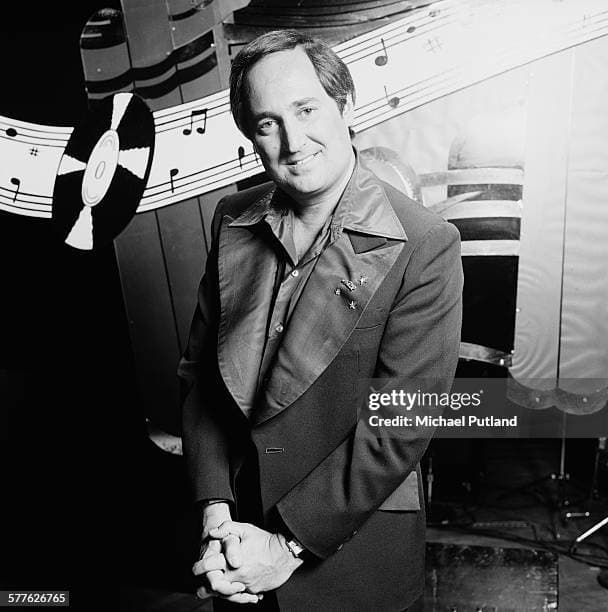
When Music Becomes Memory: Neil Sedaka’s Heartfelt “Yiddishe Mama” Performance
The video of Neil Sedaka performing “Yiddishe Mama” on the Chabad “To Life!” Telethon stands out not because of spectacle, but because of emotional and cultural depth that goes far beyond a typical live appearance.
First, the song itself carries significant historical weight. “My Yiddishe Momme” is not simply a popular standard, but a deeply rooted piece of Jewish cultural memory, dating back to the early twentieth century and associated with themes of family, sacrifice, and nostalgia for heritage . It has been performed by many artists over decades, yet it consistently evokes strong emotional responses because it speaks to a universal idea, the enduring bond between a child and a mother.
What makes Sedaka’s rendition particularly meaningful is his personal connection to the material. Born into a Jewish family in Brooklyn, Sedaka has often spoken about how these traditional songs were part of his upbringing, especially through his mother’s influence . His decision to perform “Yiddishe Mama” is therefore not a stylistic choice, but an expression of identity. In other contexts, he has described performing such songs as a “labor of love” and something that reconnects him with his roots .
The setting of the Chabad Telethon adds another important layer. This is not a conventional concert environment, but a charitable broadcast aimed at supporting community and humanitarian efforts. Events like the Chabad Telethon reach millions of viewers and are designed to inspire generosity and solidarity . In this context, Sedaka’s performance becomes more than entertainment. It aligns with the broader message of community, memory, and shared responsibility.
There is also a subtle but powerful contrast in the performance itself. Sedaka is widely known for polished pop hits such as “Breaking Up Is Hard to Do,” yet here he steps into a different emotional space. The delivery of “Yiddishe Mama” is typically more restrained and reflective, allowing the meaning of the song to come forward without distraction. This shift highlights his versatility as an artist, but more importantly, it shows a willingness to prioritize sincerity over performance technique.
Another key aspect is the intergenerational impact. Songs like this often resonate most strongly with older audiences who recognize the cultural references, but they also serve as a bridge to younger viewers who may be encountering this tradition for the first time. Sedaka’s presence, as a well known figure in popular music, helps bring that heritage into a broader public space.
Ultimately, what makes this video special is its authenticity. It is not driven by production value or innovation, but by meaning. It captures an artist engaging with his cultural roots in a setting that emphasizes community and continuity. In doing so, it transforms a familiar song into something more enduring, a reminder that music can preserve identity, memory, and emotion across generations.
 Oldies Songs