
Glam Rock on Film: Behind the Scenes of “Never Too Young To Rock” and a Defining 1975 Moment
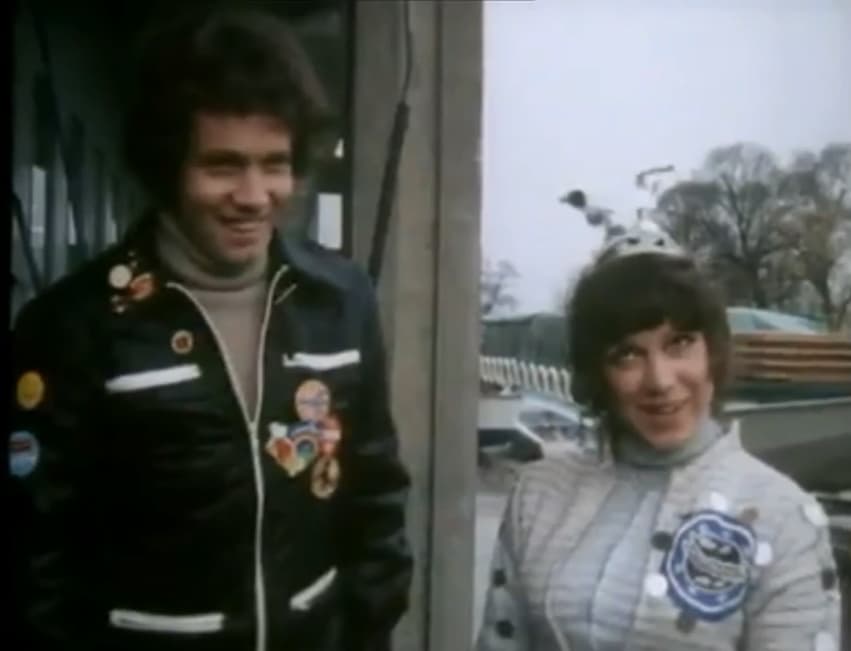
A rare behind the scenes clip from the 1975 film Never Too Young To Rock offers a valuable glimpse into the peak of the glam rock era, capturing the atmosphere, energy, and production process that defined a generation of British pop and rock music. Featuring The Glitter Band among a broader lineup of chart dominant acts, the footage stands as both a historical document and a visual companion to one of the era’s most recognizable sounds.
Released at a time when glam rock had reached its commercial and cultural high point, the film was designed to showcase leading acts in a format that combined performance with cinematic presentation. It brought together artists whose music was already widely known through radio and television, allowing audiences to experience them in a new setting. Among the featured groups were Mud and The Rubettes, whose hit songs such as “Tiger Feet,” “The Cat Crept In,” and “Sugar Baby Love” had become defining tracks of the period.
The inclusion of The Glitter Band added a distinct rhythmic identity to the film. Known for their percussion driven sound and strong visual presence, the group contributed performances that emphasized timing, repetition, and audience engagement. Tracks like “Angel Face” exemplified this approach, combining straightforward structure with a layered rhythmic foundation that translated effectively both on stage and on screen.
What makes the behind the scenes footage particularly valuable is its focus on the production environment. Rather than presenting a polished final product, it reveals elements of staging, coordination, and rehearsal that were essential to creating the film’s cohesive look. Cameras, lighting setups, and direction cues all become visible, offering insight into how music films of the era balanced spontaneity with technical planning.
The broader significance of Never Too Young To Rock lies in its role as a snapshot of a specific cultural moment. Glam rock, characterized by its visual flair and accessible melodies, was at its most influential during the mid 1970s. The film captures that influence at a point when multiple successful acts could be brought together within a single project, reflecting both the popularity and the commercial viability of the style.
Audience reactions over time often emphasize the sense of nostalgia associated with this footage. For those who experienced the film in cinemas, it represents a direct connection to a formative musical period. For newer viewers, it provides context for understanding how glam rock functioned not only as a musical genre but also as a visual and cultural movement.
As archival material, the behind the scenes clip extends beyond entertainment value. It documents how a group of performers, producers, and technicians collaborated to translate live energy into a filmed format. In doing so, it preserves a detailed record of an era when music, image, and production came together to define a lasting chapter in popular culture.