
Jazz Rock Found Its Soul: Chicago’s “Beginnings” at DePaul 1971 Still Echoes with Purpose
A newly circulated archival clip of Beginnings performed live at DePaul University in 1971 offers a rare and revealing look at Chicago during their formative years. The footage, assembled from vintage material originally prepared for a Rhino DVD project, presents a raw and unpolished document of a band that would soon define an era of jazz influenced rock.
The performance carries additional significance due to its setting. Hosted at DePaul’s Alumni Hall, the concert served as a fundraising event for the university’s music department. Several members of Chicago had direct ties to the institution, lending the evening a sense of personal investment that extends beyond a standard tour stop. This context is evident in the band’s focused yet relaxed stage presence, suggesting a connection with the audience that feels both professional and intimate.
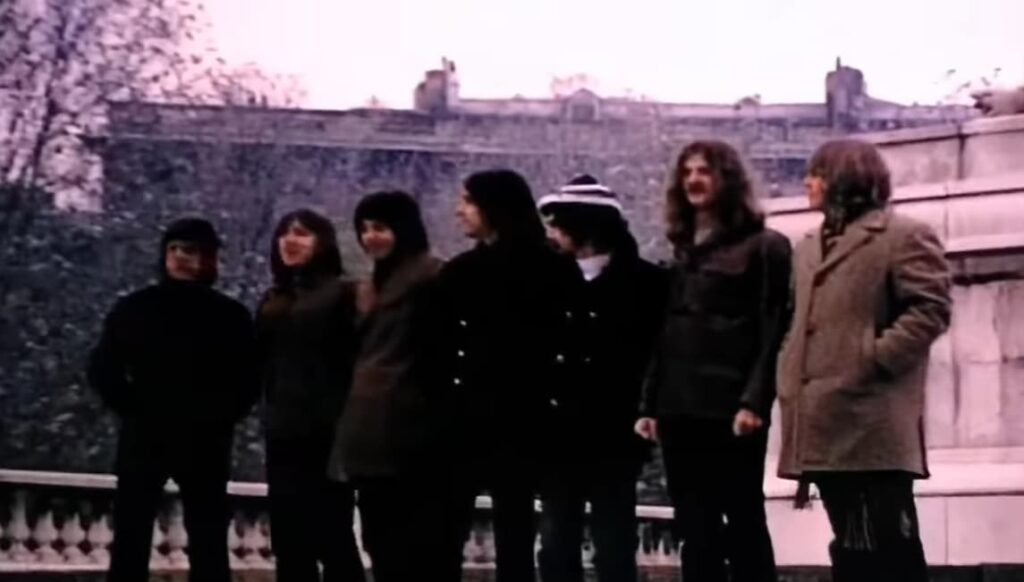
The lineup captured in the footage includes Terry Kath, Peter Cetera, Danny Seraphine, Robert Lamm, James Pankow, Lee Loughnane, and Walt Parazaider. Together, they demonstrate the distinctive ensemble approach that set Chicago apart from their contemporaries. The extended arrangement of “Beginnings” allows each section of the band to emerge clearly, from the rhythm foundation to the brass driven crescendos that became their signature.
What stands out most is the contrast between the band’s youthful appearance and the sophistication of their musicianship. The performance reveals a level of discipline and cohesion that belies their age, reinforcing accounts from early audiences who recall being surprised by the group’s maturity. Observers who first encountered Chicago as an opening act in venues such as Fillmore East have often described a similar reaction, noting the immediate impact of their sound despite limited prior exposure.
The audio, presented without significant modern enhancement, preserves the natural dynamics of the performance. This decision contributes to the authenticity of the clip, allowing listeners to experience the interplay between instruments in a way that reflects the original environment. The visual editing, while assembled from multiple sources, maintains a coherent narrative that emphasizes the collective nature of the band rather than focusing on individual spectacle.
For many viewers, the clip functions as more than historical documentation. It evokes a broader cultural moment when live performance served as the primary measure of artistic credibility. The sense of community, both within the band and between performers and audience, is palpable and continues to resonate with those who revisit the era.
In revisiting “Beginnings” at DePaul, the footage captures a band on the verge of lasting influence. It documents not only a performance, but a moment when ambition, skill, and shared purpose aligned with remarkable clarity.