
A Cynical, Cinematic Chronicle of a Psychedelic King’s Rise and Tragic Fall, a Cautionary Tale of a Lost Generation.
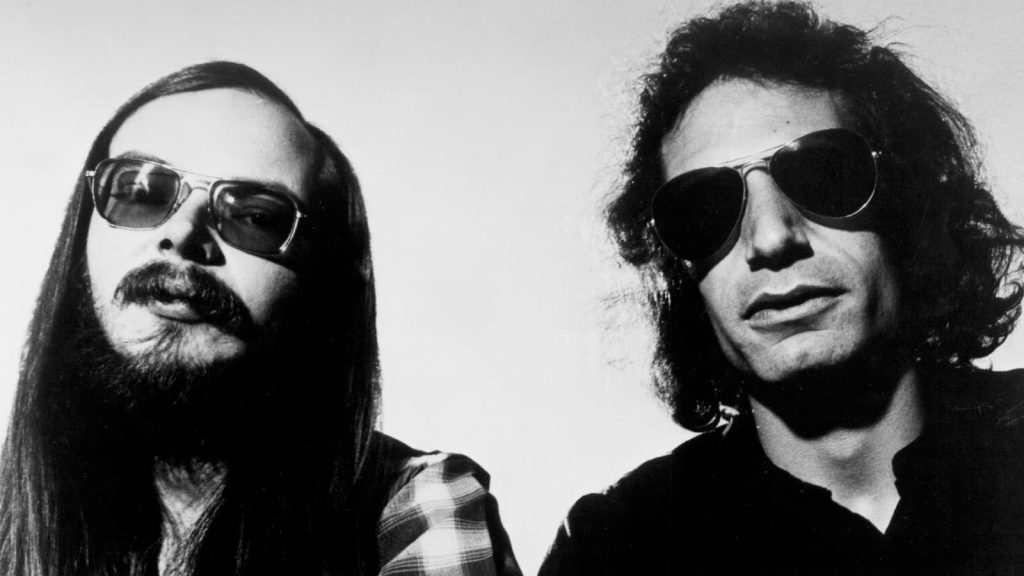
By 1976, the idealism of the 1960s had faded into a cloud of cynicism and disillusionment. The utopian dreams of the Summer of Love had given way to a grittier, more fragmented reality. And no band captured this melancholic transition with more precision and sardonic wit than Steely Dan. The duo of Walter Becker and Donald Fagen were the ultimate musical narrators of this post-hippie hangover. Their album The Royal Scam was a chilling, jazz-inflected masterpiece that unsparingly dissected the dark underbelly of the American dream. Amidst its tracklist was a song that stood as its dramatic centerpiece, a seven-minute rock odyssey that told a very real and very tragic story. That song was “Kid Charlemagne.” Released as a single, it was not a commercial smash, peaking at a modest number 84 on the Billboard Hot 100. Its power lay not in radio airplay but in its dense, literary narrative and its timeless, cautionary tale.
The story behind “Kid Charlemagne” is a tragic rock and roll fable rooted in the real-life figure of Augustus Owsley Stanley III, better known as “Bear.” In the tumultuous drama of the 1960s counterculture, he was a mythical, almost-divine figure. A brilliant, self-taught chemist, he was the world’s most prolific and famous manufacturer of LSD, the psychedelic drug that fueled the hippie movement. He was the “Kid Charlemagne,” the high priest of the free-love, mind-expanding utopia. He supplied the Grateful Dead with their signature sound and provided the acid for Ken Kesey’s legendary “Acid Tests.” He was a man who believed he was giving the world a gift of enlightenment. The song traces his dramatic arc: his rise to power, the admiration and reverence he received, and his ultimate, inevitable downfall.
The lyrical drama of “Kid Charlemagne” is a searing post-mortem on a generation’s shattered dreams. Becker and Fagen chronicle the inevitable corruption of ideals. The song paints a vivid picture of a man who goes from a charismatic guru to a paranoid, isolated figure on the run, his once-glorious empire turning into a “royal scam.” The lyrics are a theatrical monologue, a cynical narrator observing the consequences of the “free-love” ethos and the drug-fueled promises that ultimately led to burnout, despair, and legal trouble. The line, “Did you feel the wind blow / Everything must go,” is a devastatingly elegant summary of the transience of all things—an empire, a life, and an entire generation’s hope. The music, with its complex jazz chords and a slinky, menacing groove, perfectly mirrors this descent from idealism into cynicism.
The song’s final, dramatic high point is the legendary guitar solo by session musician Larry Carlton. It’s a blistering, virtuoso performance that acts as a final, glorious, and bittersweet exclamation mark on the story. It’s a burst of technical brilliance that serves as the final farewell to a bygone era. For those of us who lived through the 60s and 70s, “Kid Charlemagne” is a poignant, almost painful reminder of the promises we made and the hopes we had. It’s a timeless piece of music that speaks to the bittersweet truth that every kingdom must fall, and every utopia eventually reveals its darker side. It remains a masterclass in musical storytelling, a somber echo from an era that continues to haunt us with its beauty and its tragedy.